戰(zhàn)績(jī) | 翰林學(xué)員入圍2019John Locke競(jìng)賽

恭喜翰林學(xué)員
入圍2019John Locke學(xué)術(shù)活動(dòng)!
🎉 🎉 🎉
上海翰林國(guó)際教育
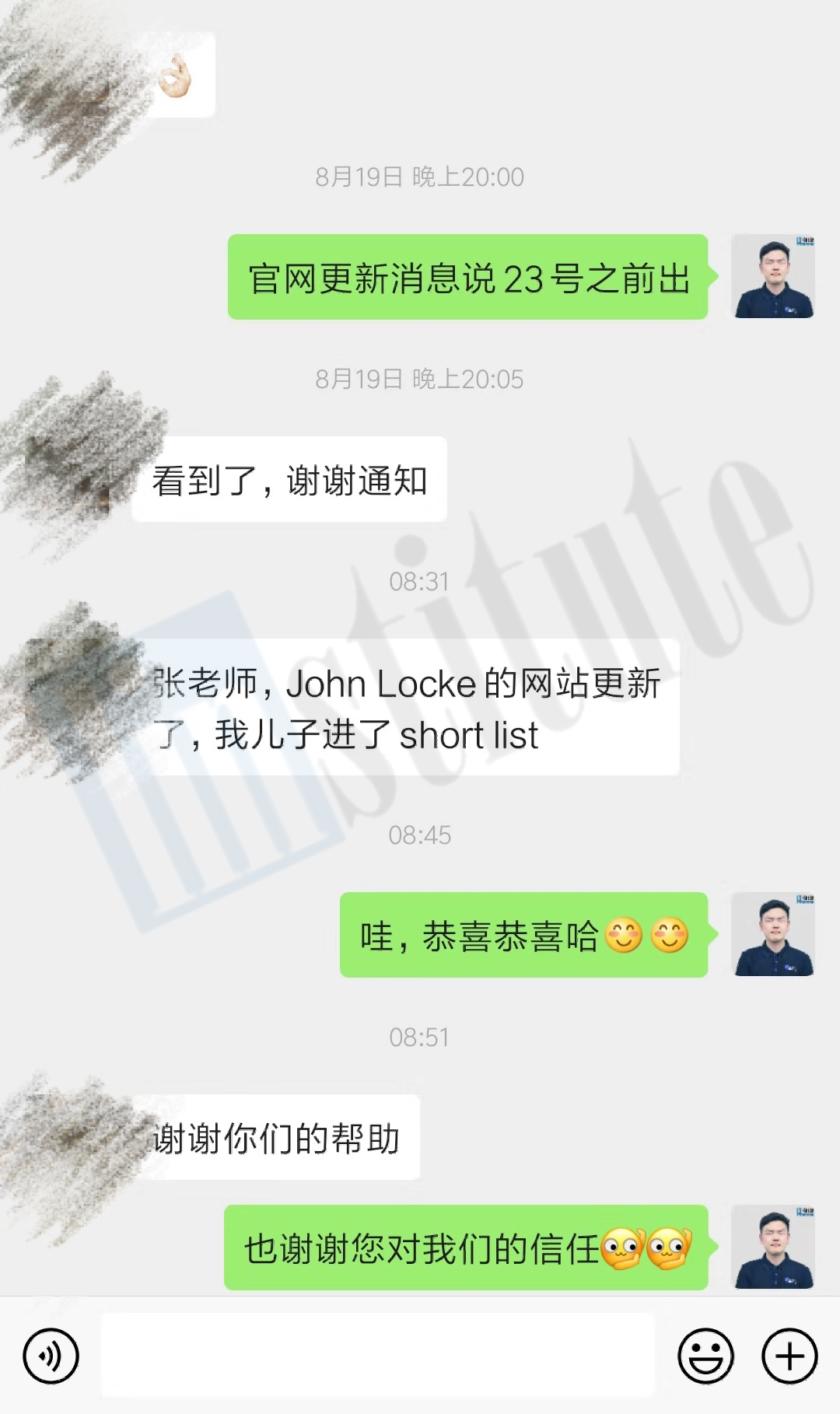
John Locke入圍名單七位中國(guó)籍參賽選手中其中一位是我們翰林的學(xué)員。


John Locke寫(xiě)作比賽
項(xiàng)目簡(jiǎn)介
John Locke Essay Competition寫(xiě)作比賽是由位于英國(guó)牛津的獨(dú)立教育組織John Locke Institute與英國(guó)牛津大學(xué)和美國(guó)普林斯頓大學(xué)等名校教授合作組織學(xué)術(shù)項(xiàng)目,意在考察學(xué)生在不同學(xué)科領(lǐng)域內(nèi)的基本知識(shí)結(jié)構(gòu),議論文的基本寫(xiě)作格式與技巧,獨(dú)立思考能力以及清晰的邏輯和辯證分析能力。
其評(píng)審全部來(lái)自英國(guó)牛津大學(xué),參賽對(duì)象均為全世界范圍內(nèi)思考能力最強(qiáng)的中學(xué)生。在比賽中獲得榮譽(yù)可以大幅提升美國(guó)和英國(guó)大學(xué)本科申請(qǐng)競(jìng)爭(zhēng)力。往年參與學(xué)生錄取成績(jī)包括普林斯頓、哈佛、耶魯、斯坦福、芝加哥、伯克利、牛津、劍橋等世界名校。
我們每天都在使用語(yǔ)言和文字,但很少有人知道,與其他生物的大腦不同,人的大腦天生具備學(xué)習(xí)語(yǔ)言的天賦,而人類(lèi)語(yǔ)言體系的復(fù)雜程度也非任何其他生物的交流體系可比。語(yǔ)言和文字是人類(lèi)最珍貴的能力之一。
很多時(shí)候我們發(fā)現(xiàn)自己有獲得信息的渠道,卻不會(huì)篩選有效信息;有零星的論點(diǎn),卻沒(méi)有完整的論證邏輯;會(huì)借鑒別人的觀點(diǎn),卻無(wú)法形成新的想法。提升寫(xiě)作能力的本質(zhì)是提升思考能力,無(wú)論將來(lái)學(xué)習(xí)什么專(zhuān)業(yè),從事什么行業(yè),強(qiáng)大的寫(xiě)作能力都能使一個(gè)人受益終身。
學(xué)術(shù)活動(dòng)內(nèi)容
2019年學(xué)術(shù)活動(dòng)Essay問(wèn)題
2019年的可選題目
涉及7個(gè)領(lǐng)域的21個(gè)題目
具體為:
Philosophy哲學(xué)類(lèi):
Q1. Do our intuitions provide a reason to believe one moral claim over another? Can we prove this? Does it matter?
Q2. What is meaning? How much would it matter if we had none?
Q3. Aristotelian virtue ethics achieved something of a resurgence in the twentieth century. Was this progress or retrogression?
Politics政治類(lèi)
Q1. How much should we care about social cohesion?
Q2. How much of a problem is political ignorance? What should we do about it?
Q3. How dangerous is Big Data for democracy?
Economics經(jīng)濟(jì)類(lèi)
Q1. Should we abolish the Fed?
Q2. What does economics tell us about the benefits and costs of immigration? What policy should we adopt?
Q3. You have fifteen minutes of Donald Trump’s undivided attention. How will you persuade him to reform US trade policy?
History歷史類(lèi)
Q1. Which was worst: Nazism, Fascism or Communism?
Q2. When did we begin taking progress for granted, and why?
Q3. According to Henry Kissinger, ‘those ages which in retrospect seem most peaceful were least in search of peace. Those whose quest for it seems unending appear least able to achieve tranquility'. Comment on this claim in light of events since 1945.
Psychology心理學(xué)類(lèi)
Q1. Why is it so hard for one reasonable person to persuade another reasonable person to change her mind? What should we do about this?
Q2. What are the most important recently-acquired insights from neuroscience which have yet to be widely applied to education?
Q3. Should we try to become more rational? How?
Theology神學(xué)類(lèi)
Q1. Should I be held responsible for what I believe?
Q2. I believe in God. Which God should I believe in?
Q3. What kind of God would create trillions of animals and permit a great many of them to die painful deaths? Should we worship such a God?
Law法律類(lèi)
Q1. Some things are illegal because they are bad. Are some things bad because they are illegal?
Q2. Should computer generated child pornography be permitted?
Q3. Could we have private law?
Junior Category初中組(參賽邀請(qǐng)將發(fā)給針對(duì)2019年7月31日后15周歲的候選學(xué)生)
Q1. Should candidates for high office be judged unfit on the basis of something they said or did when they were very young?
Q2. Is inequality increasing? Does it matter? What, if anything, should we do about it?
Q3. According to Nobel Laureate, Milton Friedman, 'there is one and only one social responsibility of business...to increase its profits...' Do you agree?
Q4. When, if ever, have there been ‘good’ revolutions?
學(xué)術(shù)活動(dòng)獎(jiǎng)項(xiàng)
Grand Prize:終極大獎(jiǎng)
剩下每個(gè)分類(lèi)將分別評(píng)選
Winner
Second Prize
Third Prize
申請(qǐng)要求
- 無(wú)國(guó)籍、學(xué)校限制,在參賽作品提交截止日前大于或小于18周歲(不過(guò)在參賽作品提交截止日前不滿19周歲的學(xué)生可以角逐獎(jiǎng)項(xiàng)或獎(jiǎng)狀推薦),但是對(duì)角逐Junior Prize的參賽者要求在參賽作品提交截止日前不超過(guò)14周歲
- 僅可選擇一個(gè)分類(lèi)的一個(gè)問(wèn)題完成一篇不超過(guò)2000字的Essay(字?jǐn)?shù)不包含diagrams圖標(biāo),tables of data數(shù)據(jù)表,footnotes注釋?zhuān)琤ibliography背景介紹或authorship declaration作者申明)
- 參賽作品必須是PDF格式線上提交,且文件命名規(guī)則是SURNAME姓, First Name名(比如POPHAM, Alexander)

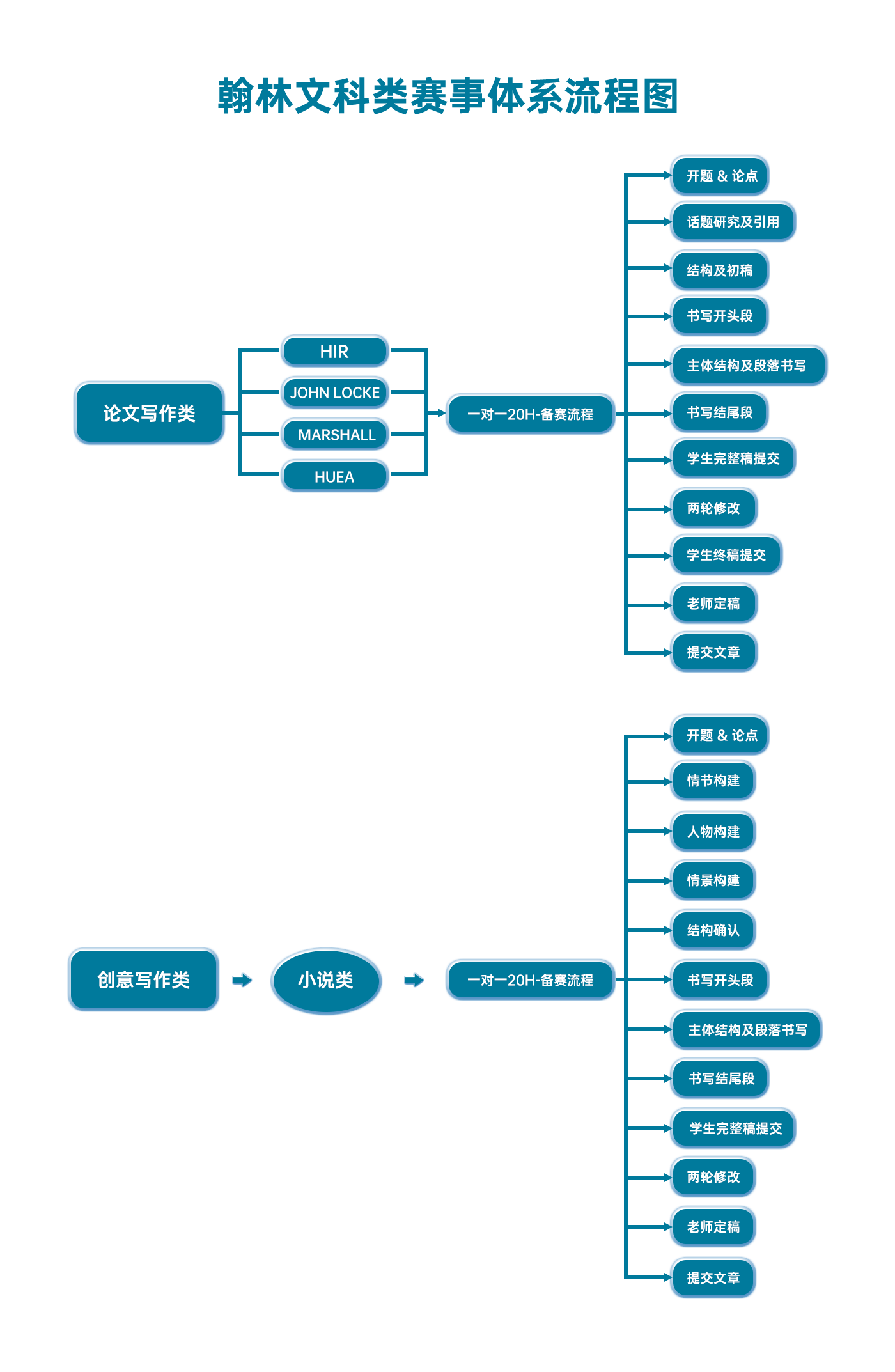
翰林文科學(xué)術(shù)活動(dòng)課程體系流程圖
以上就是關(guān)于【戰(zhàn)績(jī) | 翰林學(xué)員入圍2019John Locke競(jìng)賽】的解答,如需了解學(xué)校/賽事/課程動(dòng)態(tài),可至翰林教育官網(wǎng)獲取更多信息。
往期文章閱讀推薦:
【組隊(duì)招募】經(jīng)濟(jì)/數(shù)模競(jìng)賽CNEC/IEO/SIC/HiMCM…組隊(duì)報(bào)名!
2026理工科競(jìng)賽“大洗牌”:線上考試終結(jié)、報(bào)名門(mén)檻收緊、晉級(jí)規(guī)則重塑...你準(zhǔn)備好了嗎?


翰林AMC8視頻課重磅上線!

國(guó)際競(jìng)賽真題資源免費(fèi)領(lǐng)取






