Edexcel A Level Maths: Pure:復(fù)習(xí)筆記2.1.3 Surds - Rationalising the Denominator

Surds - Rationalising the Denominator
What does it mean to rationalise a denominator?
- Rationalising a denominator changes a fraction with surds in its denominator, into an equivalent fraction where the denominator is a?rational number?(usually an integer) and any surds are in the numerator
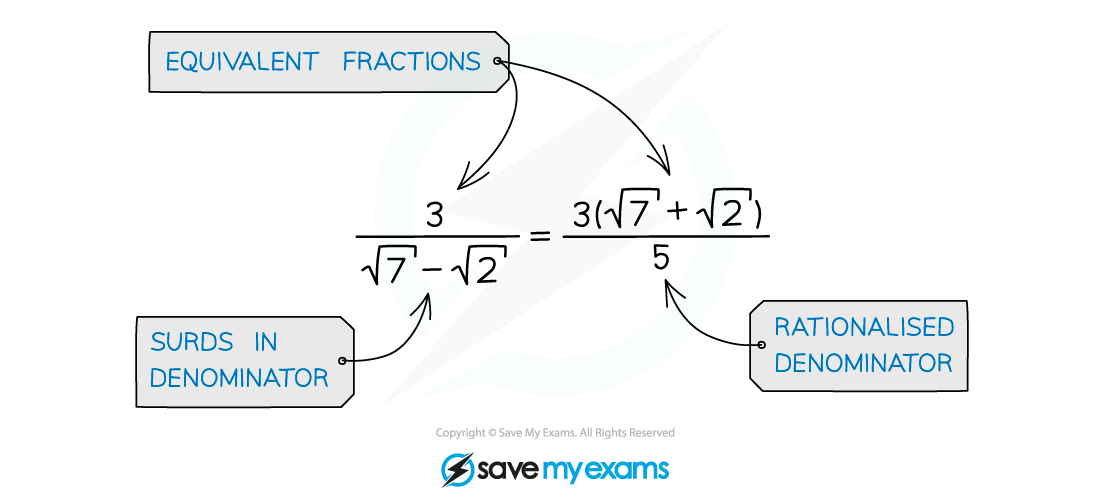
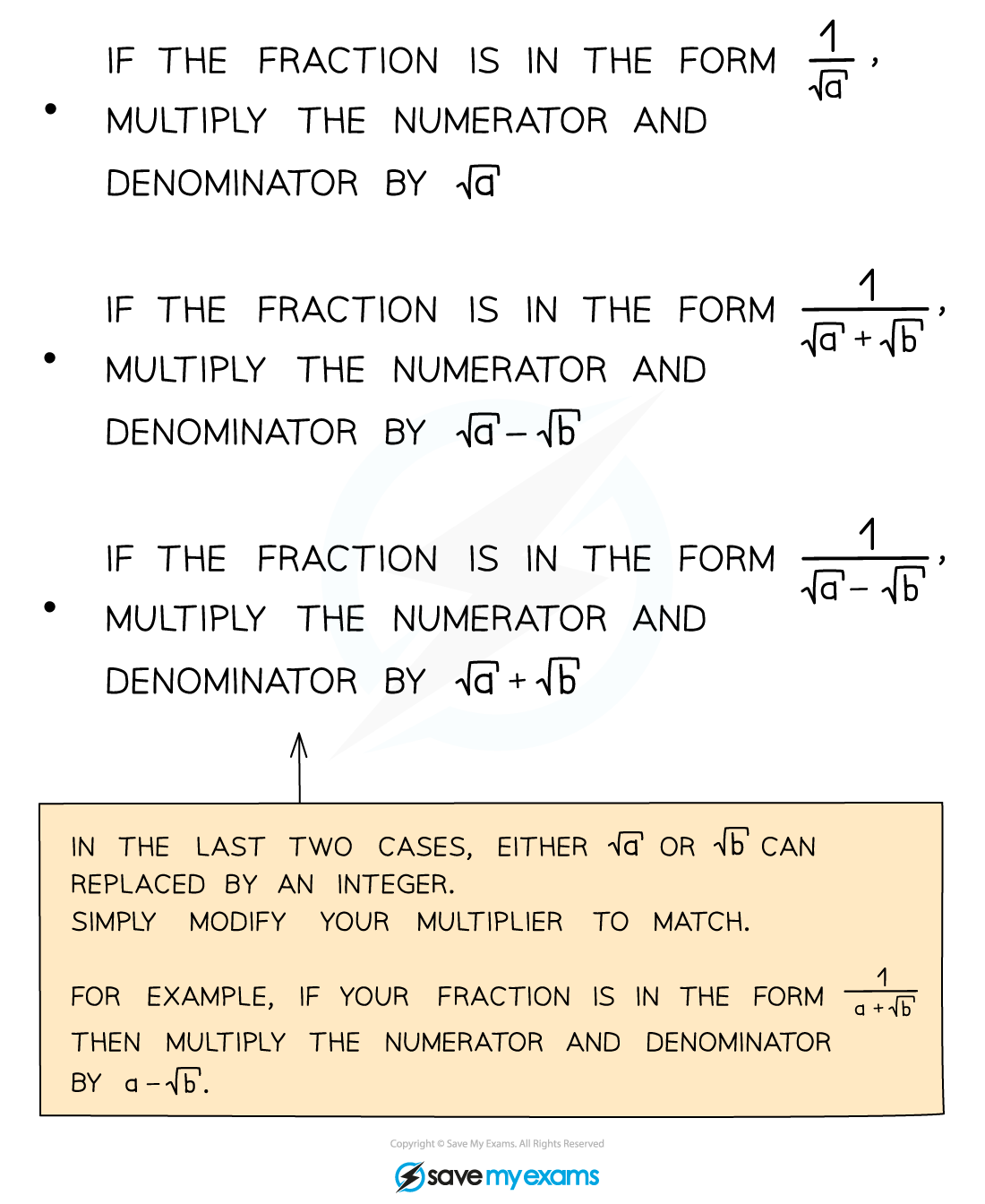
- There are three cases you need to know how to deal with when rationalising denominators:
Exam Tip
- If an exam question asks you to give an answer, for example, "in the form?p?+?q√3?, where?p?and?q?are rational numbers", this does NOT mean that?p?and?q?have to be integers, or positive!
- Remember: both integers and fractions (both positive and negative) are rational numbers
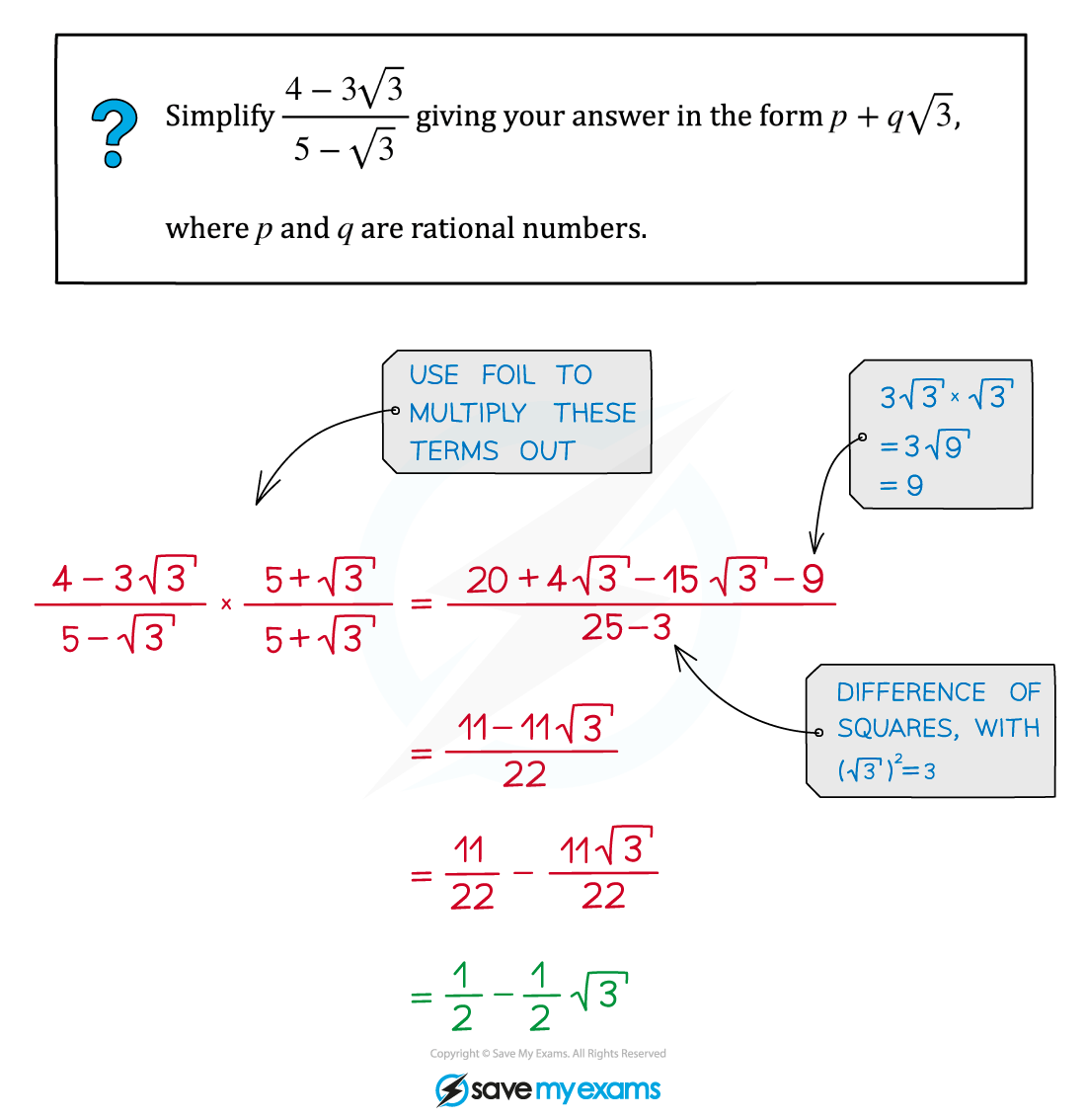
Worked Example
轉(zhuǎn)載自savemyexams
以上就是關(guān)于【Edexcel A Level Maths: Pure:復(fù)習(xí)筆記2.1.3 Surds - Rationalising the Denominator】的解答,如需了解學(xué)校/賽事/課程動(dòng)態(tài),可至翰林教育官網(wǎng)獲取更多信息。
往期文章閱讀推薦:
斯坦福大學(xué)官方推薦書(shū)單!名校學(xué)霸們暑假都在讀什么?
MIT官方發(fā)布【2026年夏季推薦閱讀書(shū)單】!橫跨科學(xué)/人文/經(jīng)濟(jì)...


翰林AMC8視頻課重磅上線!

國(guó)際競(jìng)賽真題資源免費(fèi)領(lǐng)取






