Edexcel A Level Further Maths: Core Pure:復習筆記1.2.1 Exponential Form

Exponential Form
You now know how to do lots of operations with complex numbers: add, subtract, multiply, divide, raise to a power and even square root. The last operation to learn is raising the number e to the power of an imaginary number.
How do we calculate e to the power of an imaginary number?
- Given an imaginary number (iθ) we can?define exponentiation?as

 is the complex number with modulus 1 and argument θ
- This works with our current rules of exponents

- This shows e to the power 0 would still give the answer of 1

- This is because when you?multiply complex numbers?you can?add?the?arguments
- This shows that when you multiply two powers you can still add the indices
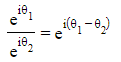
- This is because when you?divide complex numbers?you can?subtract?the?arguments
- This shows that when you divide two powers you can still subtract the indices
What is the exponential form of a complex number?
- Any complex number
 ?can be written in?polar form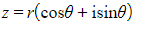
- r?is the modulus
- θ?is the argument
- Using the definition of we can now also write
 ?in?exponential form

Why do I need to use the exponential form of a complex number?
- It's just a?shorter?and?quicker?way of expressing complex numbers
- It makes a link between the?exponential function?and?trigonometric functions
- It makes it easier to remember what happens with the moduli and arguments when multiplying and dividing
What are some common numbers in exponential form?
- As
 ?and
?and  ?you can write:
- Using the same idea you can write:
 where k?is any integer
- As
 and
and  ?you can write:

- Or more commonly written as

- As
 ?and
?and  ?you can write:


Exam Tip
- The powers can be long and contain fractions so make sure you write the expression clearly.
- You don’t want to lose marks because the examiner can’t read your answer
Worked Example
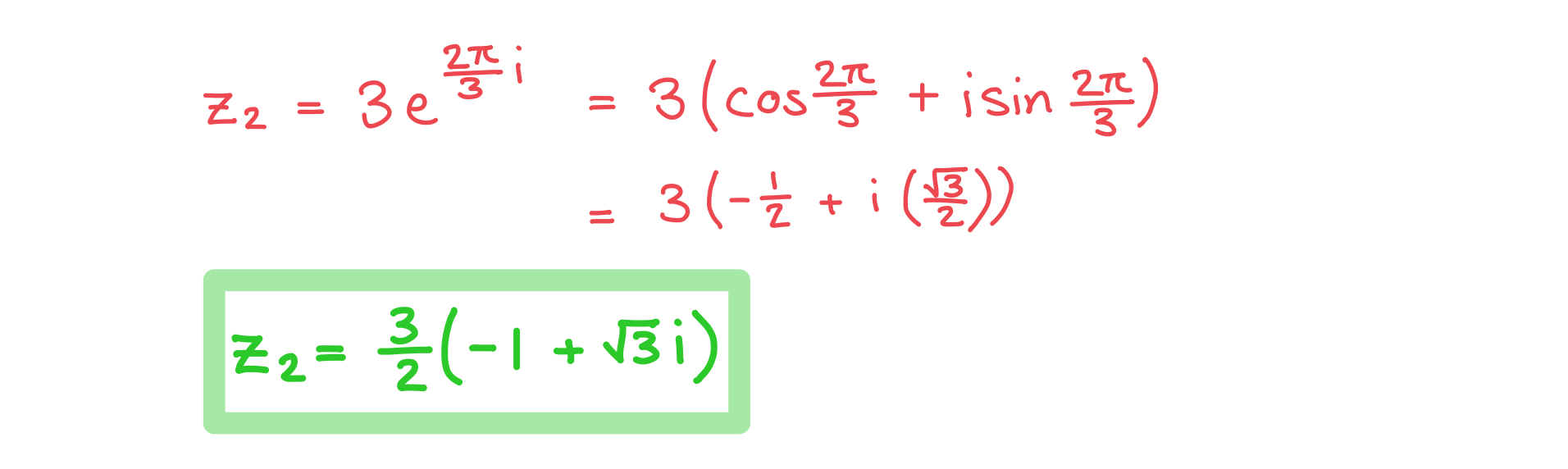
Two complex numbers are given by  ?and
?and  .
.
a) Write  ?in the form
?in the form 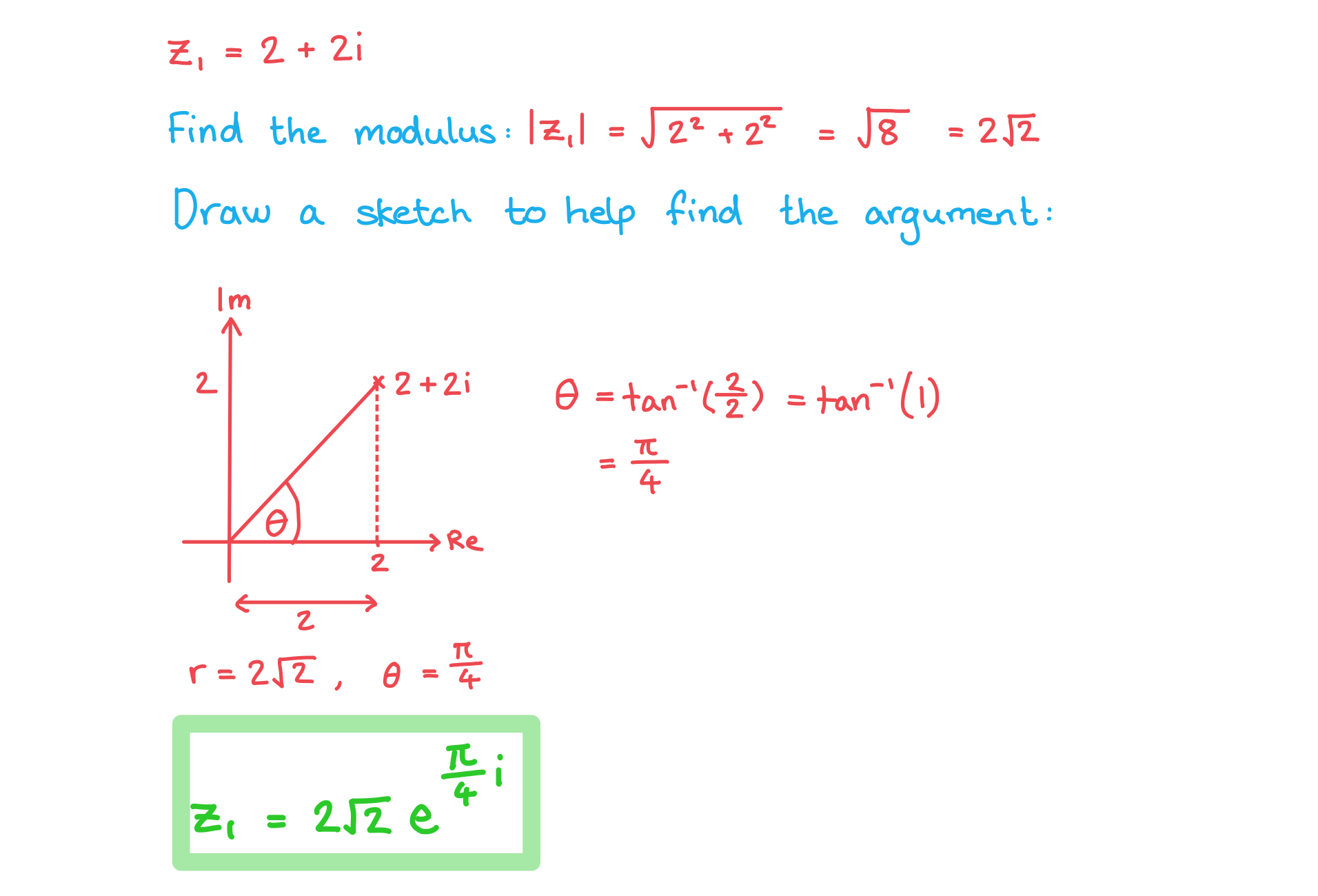
b) Write  ?in?the form
  .
.
?in?the form .
Operations using Exponential Form
How do I multiply and divide exponential forms of complex numbers?
- If
 ?and
?and  ?then
?then
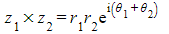
- You can clearly see that the?moduli have been multiplied?and the?arguments have been added
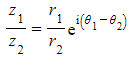
- You can clearly see that the?moduli have been divided?and the?arguments have been subtracted
How do I find the complex conjugate of a complex number in exponential form?
- Simply change the sign of the argument(s)
- If
 ?then
?then 
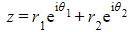 then
then 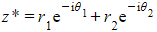
- If
Worked Example
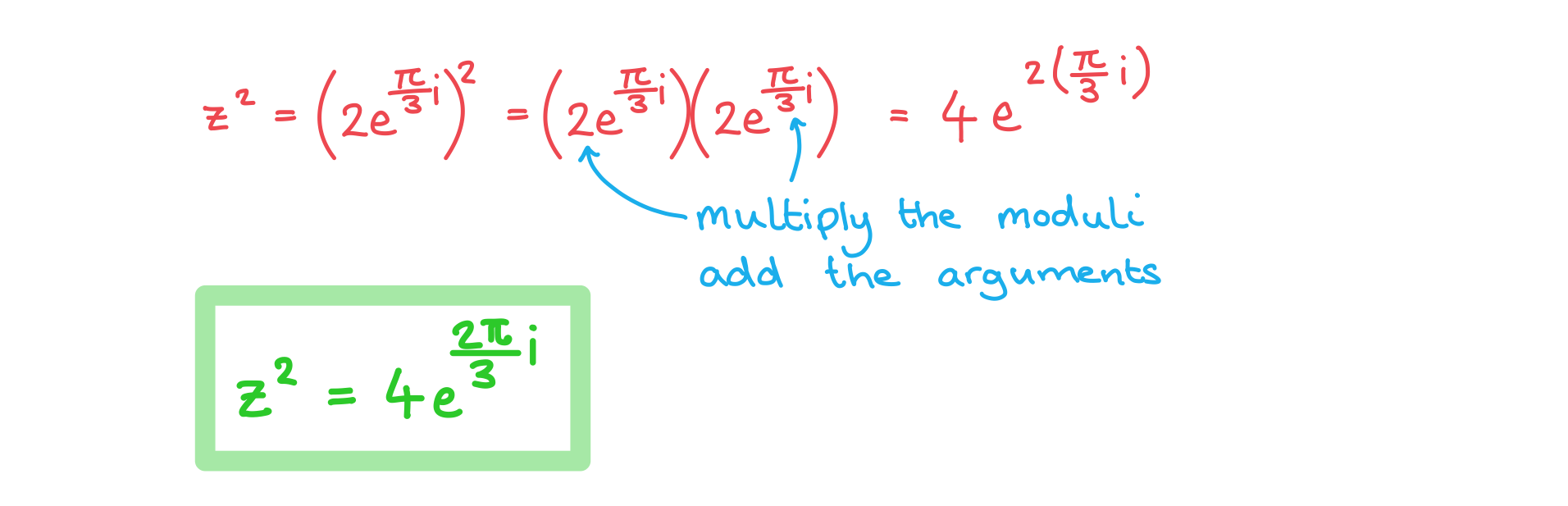
Consider the complex number  . Calculate
  ?giving your answer in the form
轉載自savemyexams
以上就是關于【Edexcel A Level Further Maths: Core Pure:復習筆記1.2.1 Exponential Form】的解答,如需了解學校/賽事/課程動態,可至翰林教育官網獲取更多信息。
往期文章閱讀推薦:
MIT官方發布【2026年夏季推薦閱讀書單】!橫跨科學/人文/經濟...


翰林AMC8視頻課重磅上線!

國際競賽真題資源免費領取






