IB DP Biology: SL復習筆記1.1.2 Functions of Life

Functions of Life
- Unicellular (single-celled) and multicellular (many cells) organisms must carry out the following functions to stay alive:
- Metabolism - all the enzyme-catalysed reactions occurring in a cell, including cell respiration
- Reproduction - the production of offspring. It may be sexual or asexual
- Homeostasis - the ability to maintain and regulate internal conditions within tolerable limits, including temperature
- Growth - the permanent increase in size
- Response - (or sensitivity), the ability to respond to external or internal changes (stimuli) in their environment. Thus improving their chance of survival
- Excretion - the disposal of metabolic waste products, including carbon dioxide from respiration
- Nutrition - the acquisition of energy and nutrients for growth and development, either by, absorbing organic matter or by synthesising organic molecules (e.g. photosynthesis)
Functions of Life: Paramecium & Chlorella
Paramecium
- Paramecium?are unicellular protozoans commonly found in freshwater. They range in size from 50 to 320 μm
Chlorella
- Chlorella?is a small (2 to 10 μm) unicellular green alga. They are abundant in freshwater and can be found in a symbiotic relationship with?Paramecium
- As?Chlorella?are living they carry out all the functions of life, although due to different structures, there are some differences to?Paramecium
Comparison of the Functions of Life Between Paramecium and Chlorella
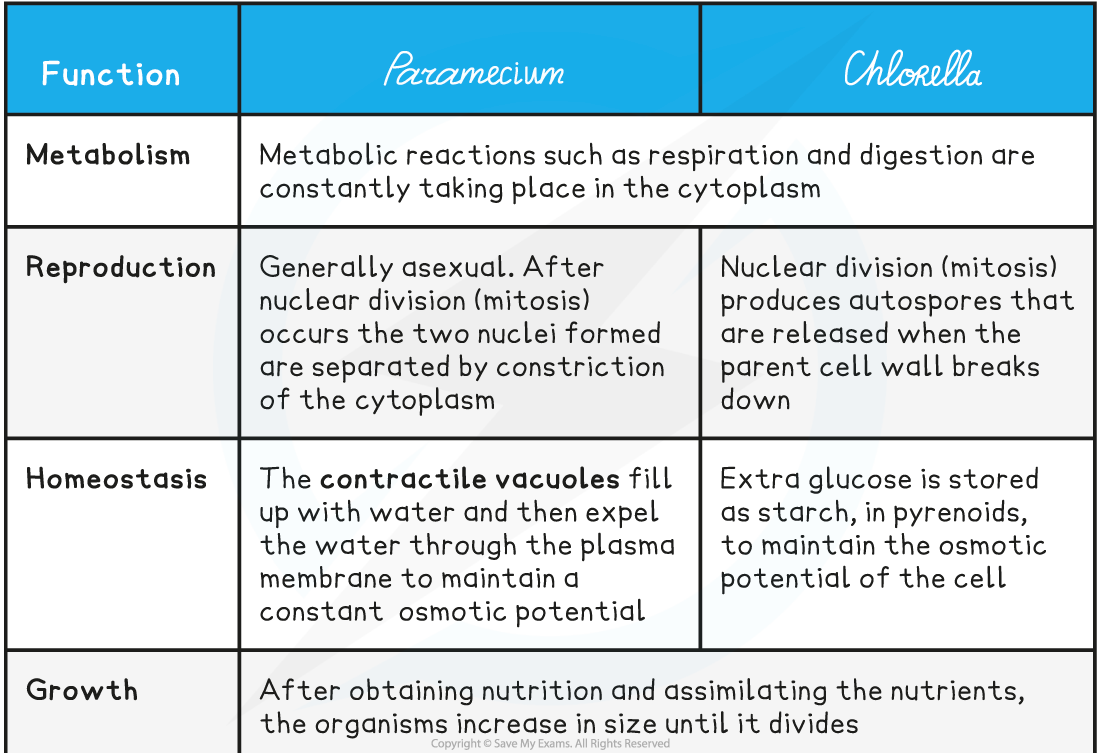
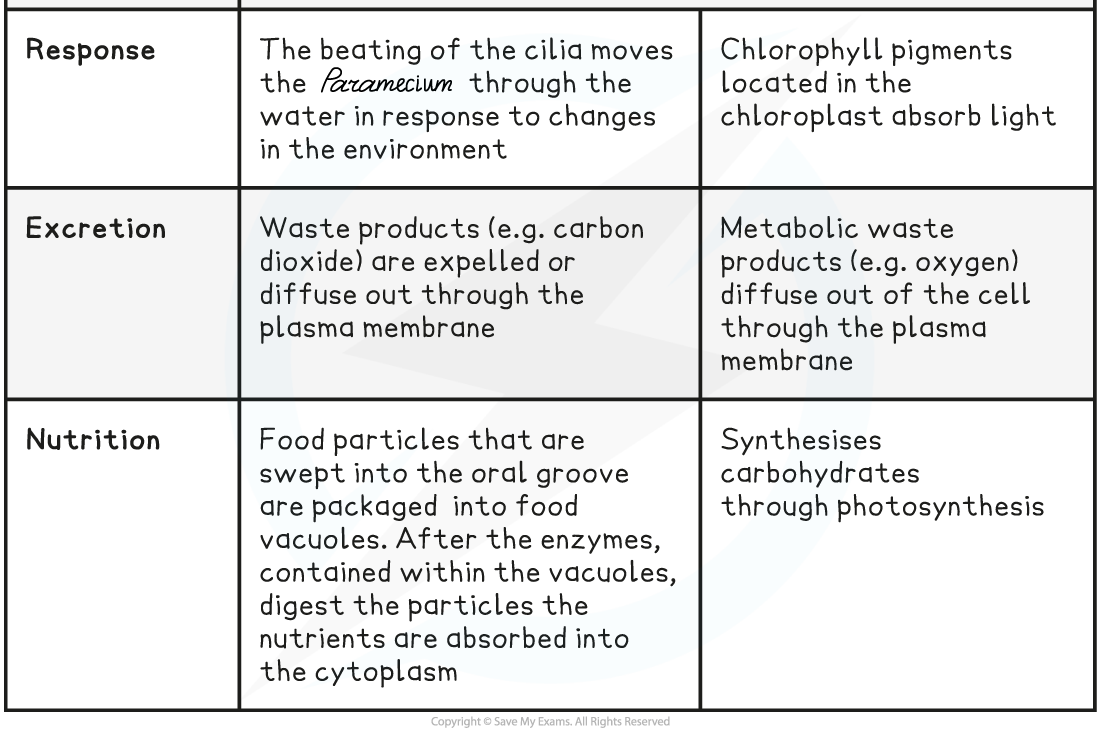
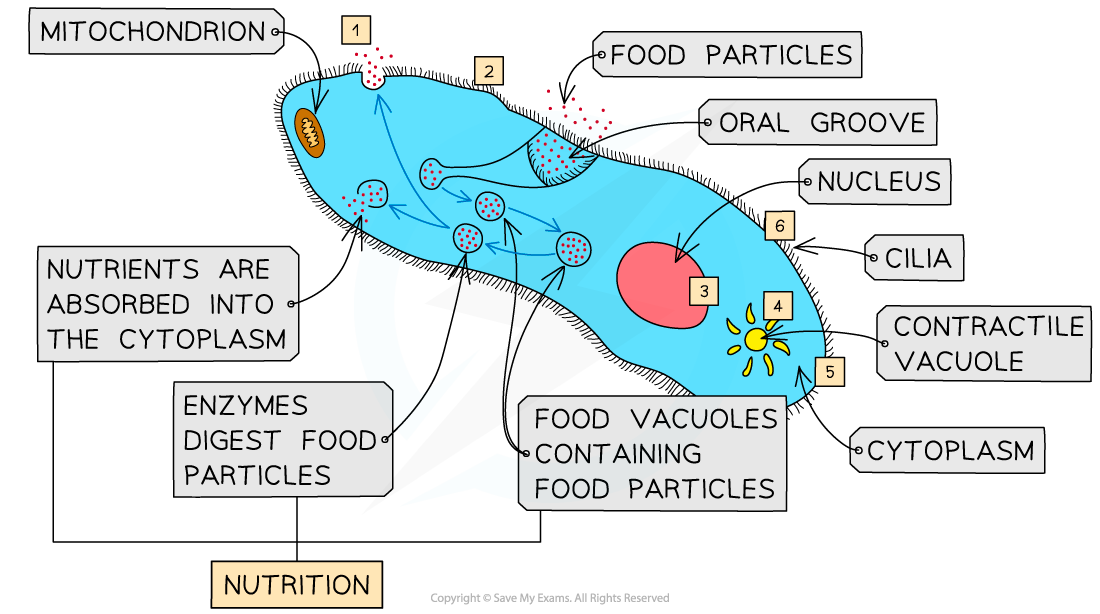
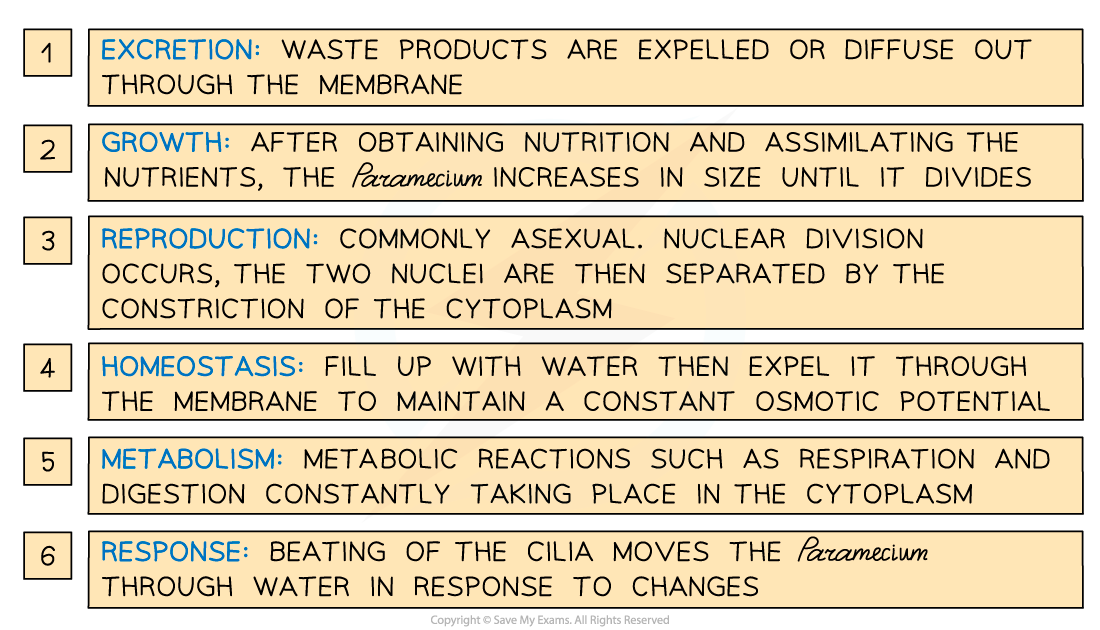
The functions of life in Paramecium
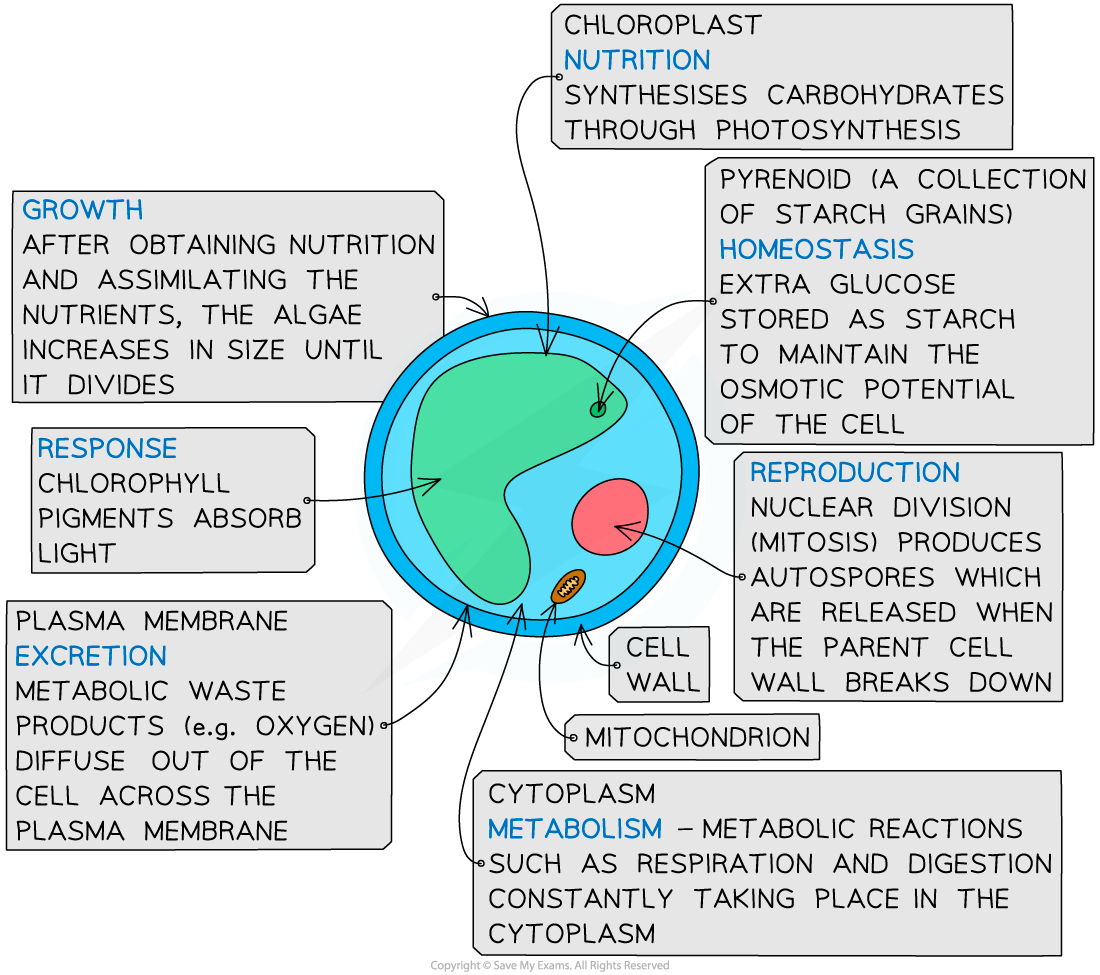
The functions of life in Chlorella
Exam Tip
To remember the functions of life think of?MR H GREN. Note the similarities in the functions of life between?Paramecium?and?Chlorella.
轉載自savemyexams
以上就是關于【IB DP Biology: SL復習筆記1.1.2 Functions of Life】的解答,如需了解學校/賽事/課程動態,可至翰林教育官網獲取更多信息。
往期文章閱讀推薦:
MIT官方發布【2026年夏季推薦閱讀書單】!橫跨科學/人文/經濟...


翰林AMC8視頻課重磅上線!

國際競賽真題資源免費領取






