G1-4 Chinese Culture Week Series——Diverse Traditional Culture

April 23rd was the second day of SHSID Primary p Chinese cultural week. Every grade embraces wonderful activities and the students experienced more aspects about Chinese culture.
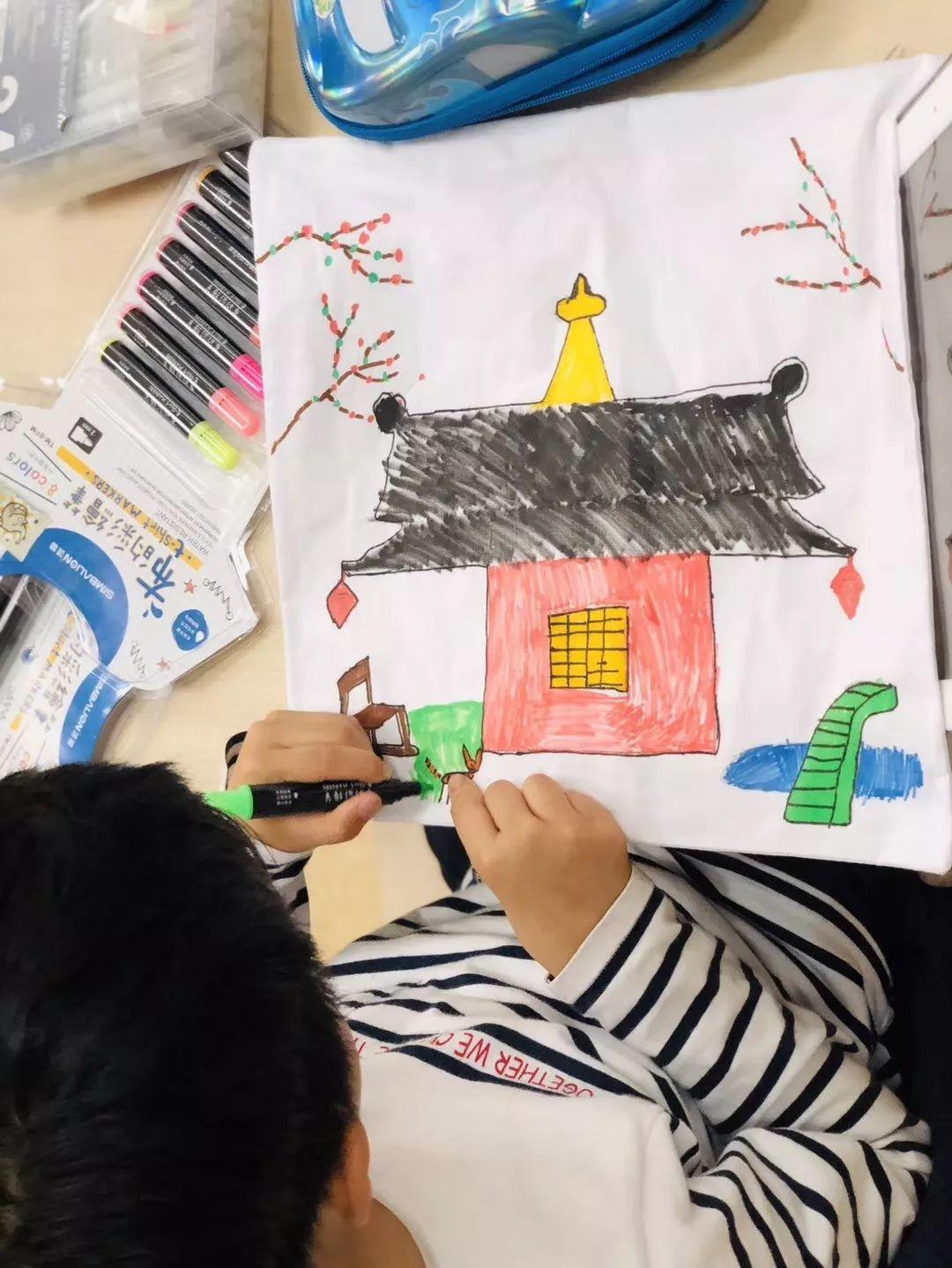
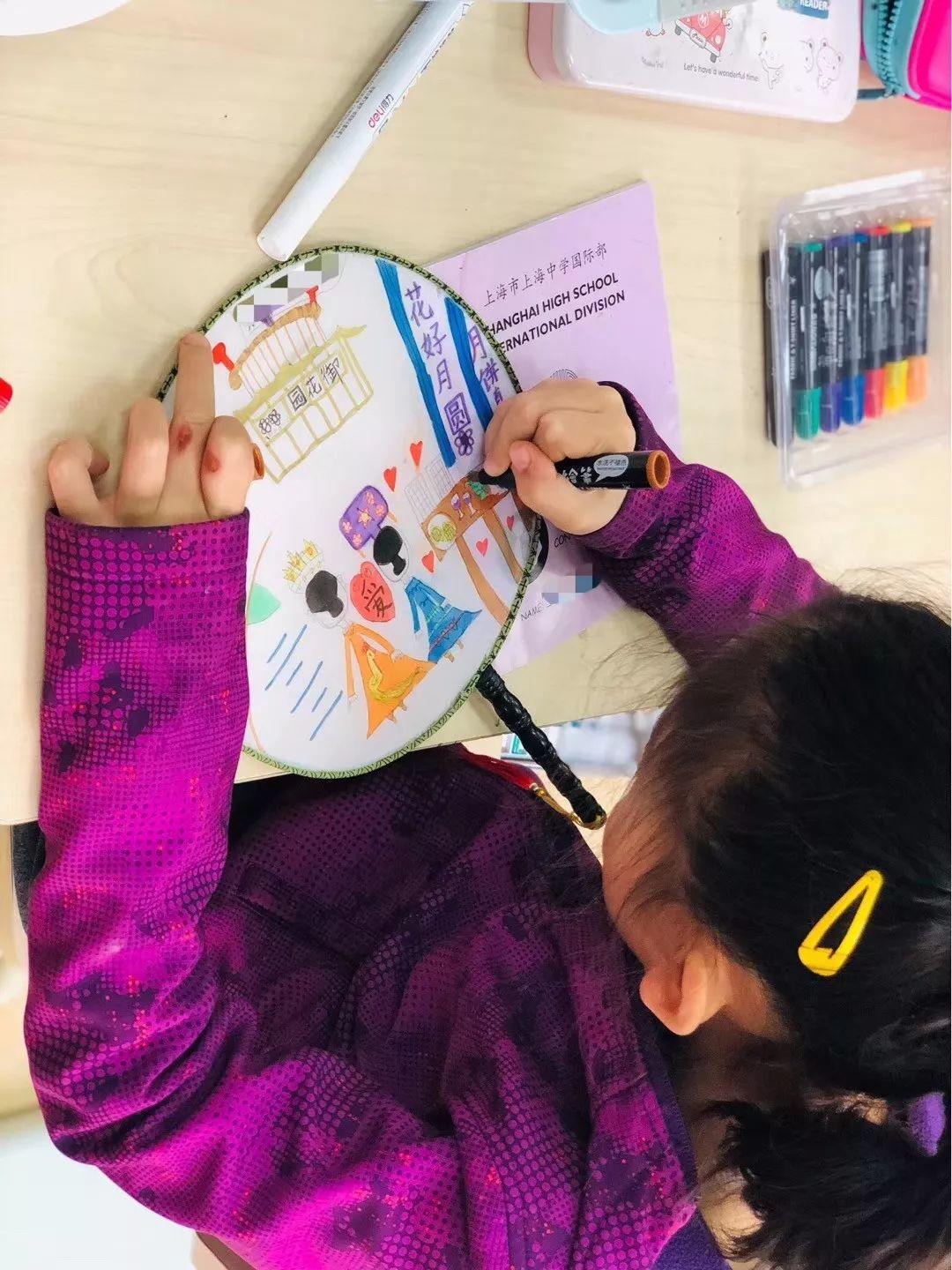
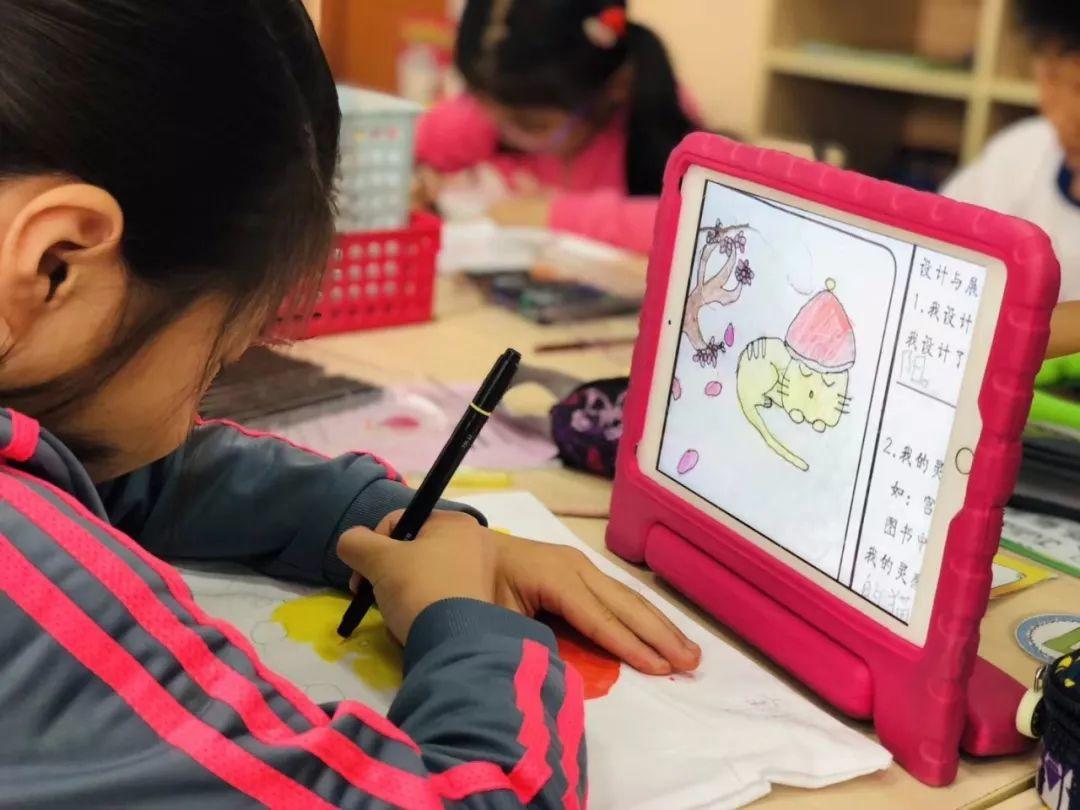
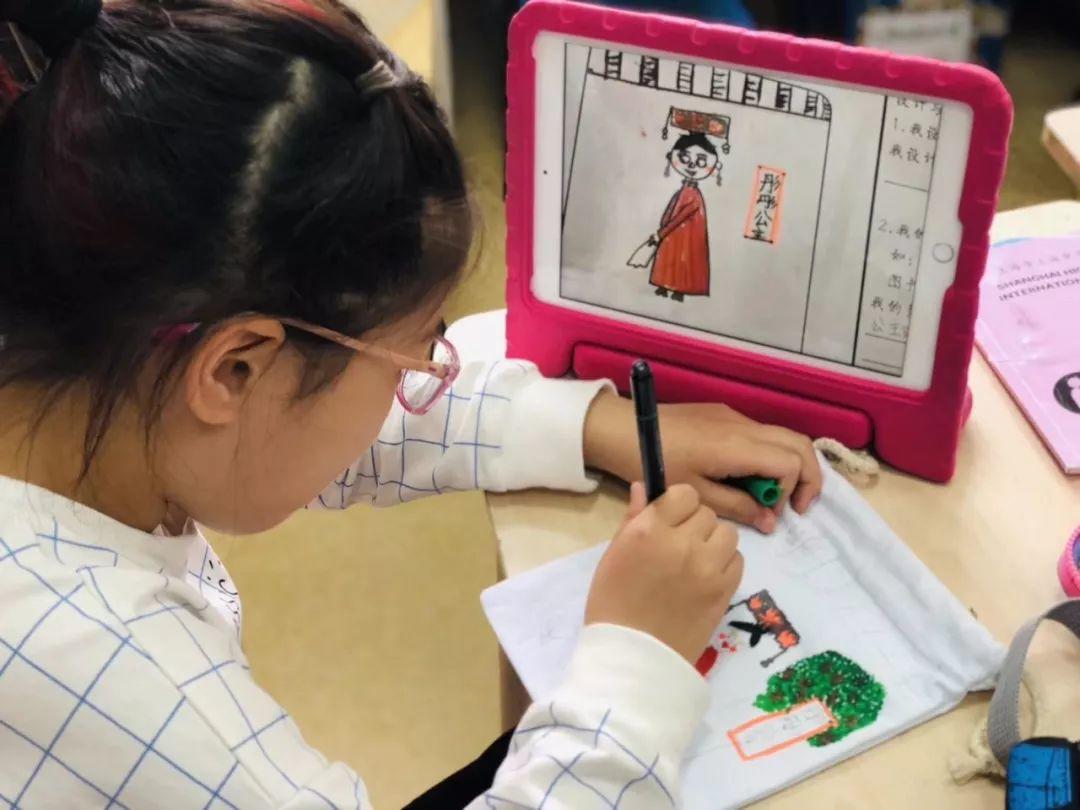
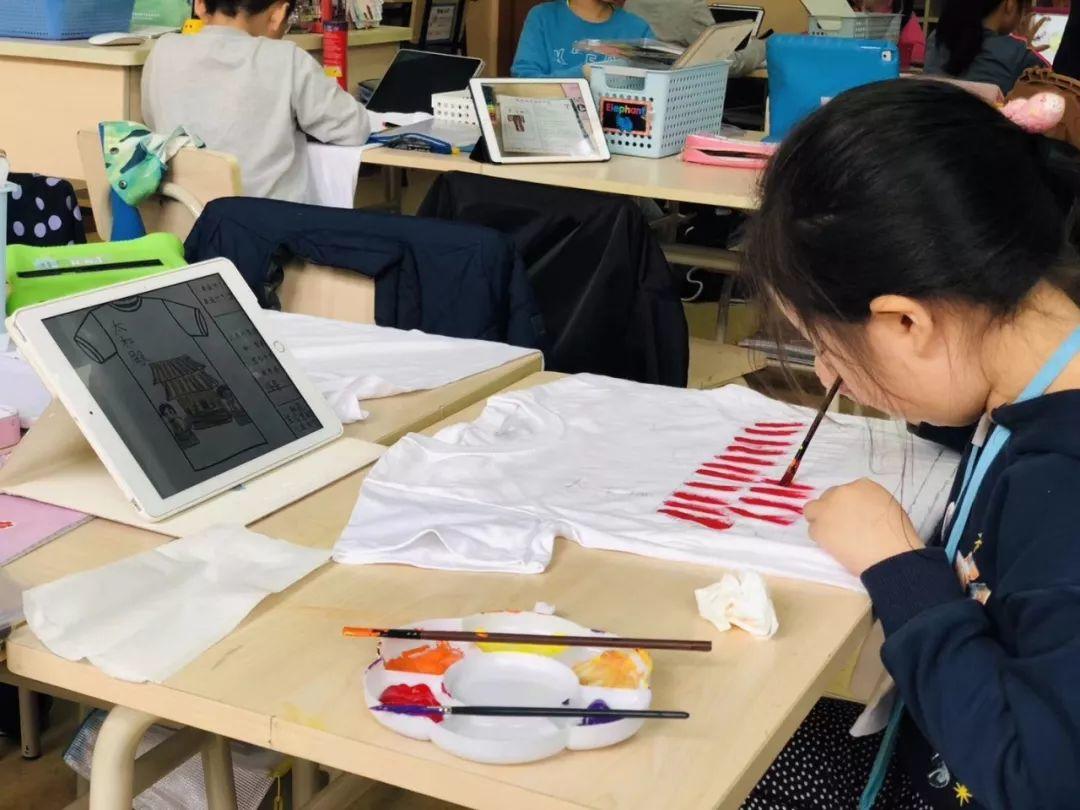
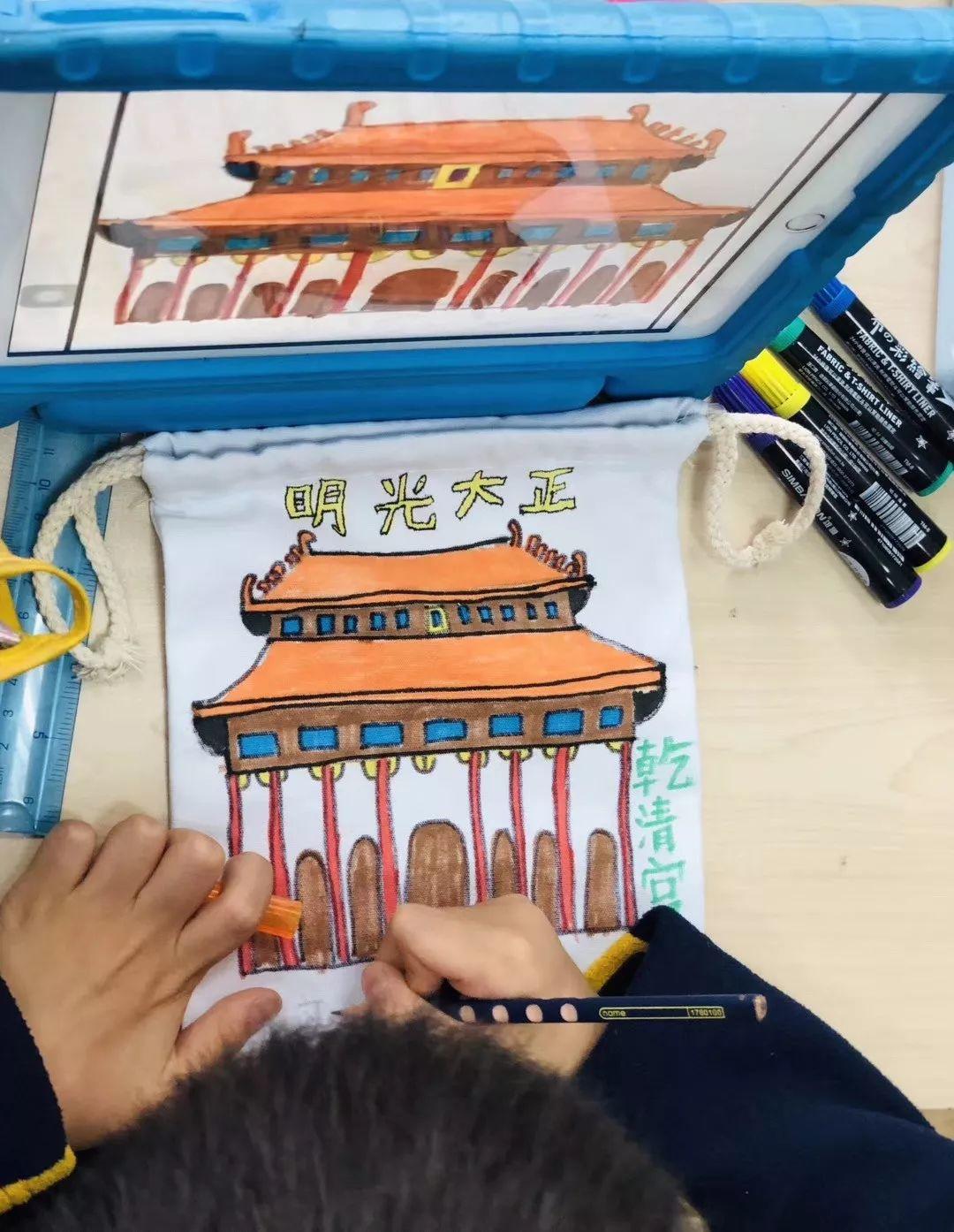
First graders watched a documentary film about the Imperial Palace and designed their own moon-shaped silk fans, cloth bags, T-shirts and pillowcases. Drawn by children, those magnificent architectures became cuter and full of fun.
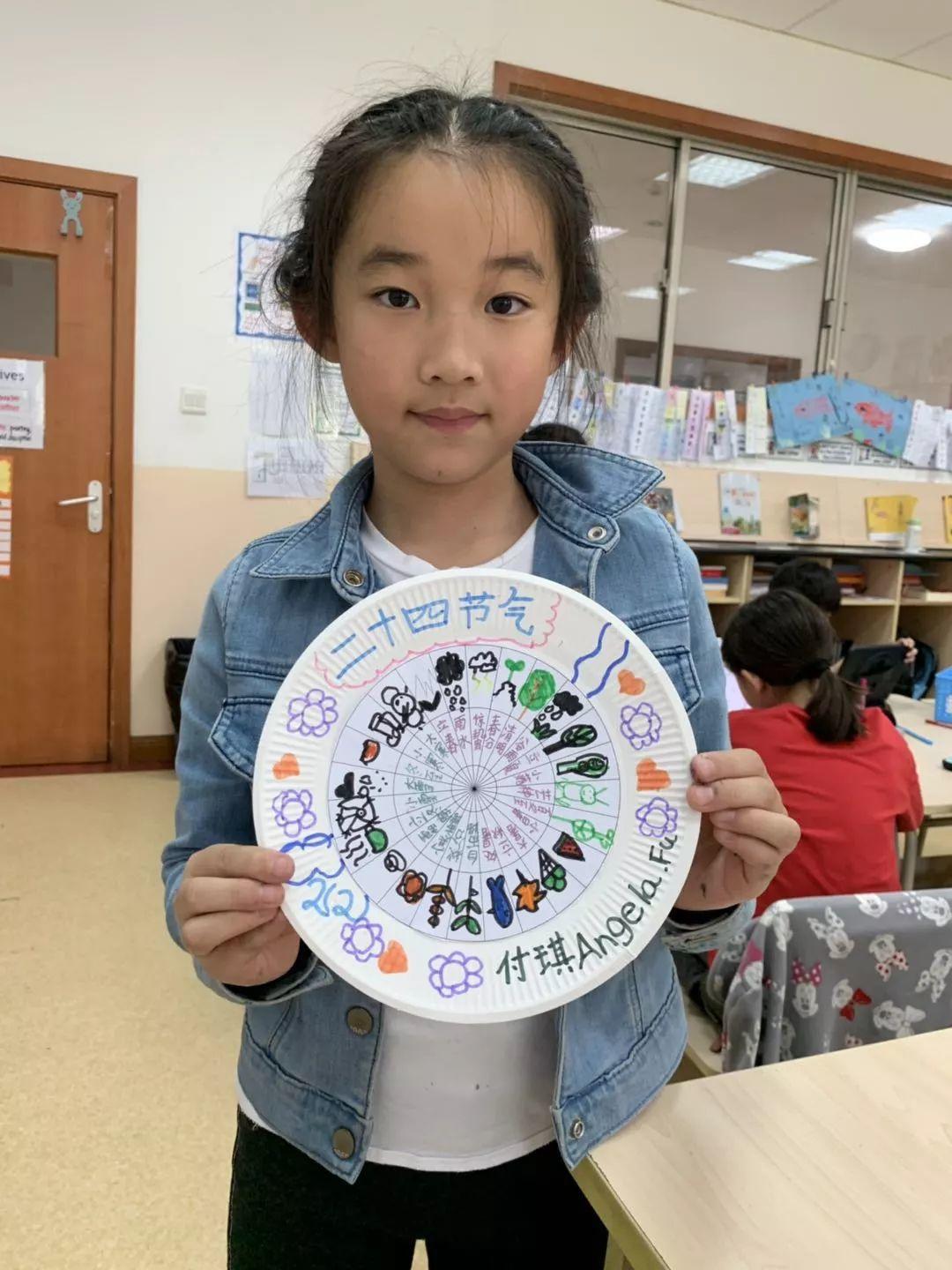
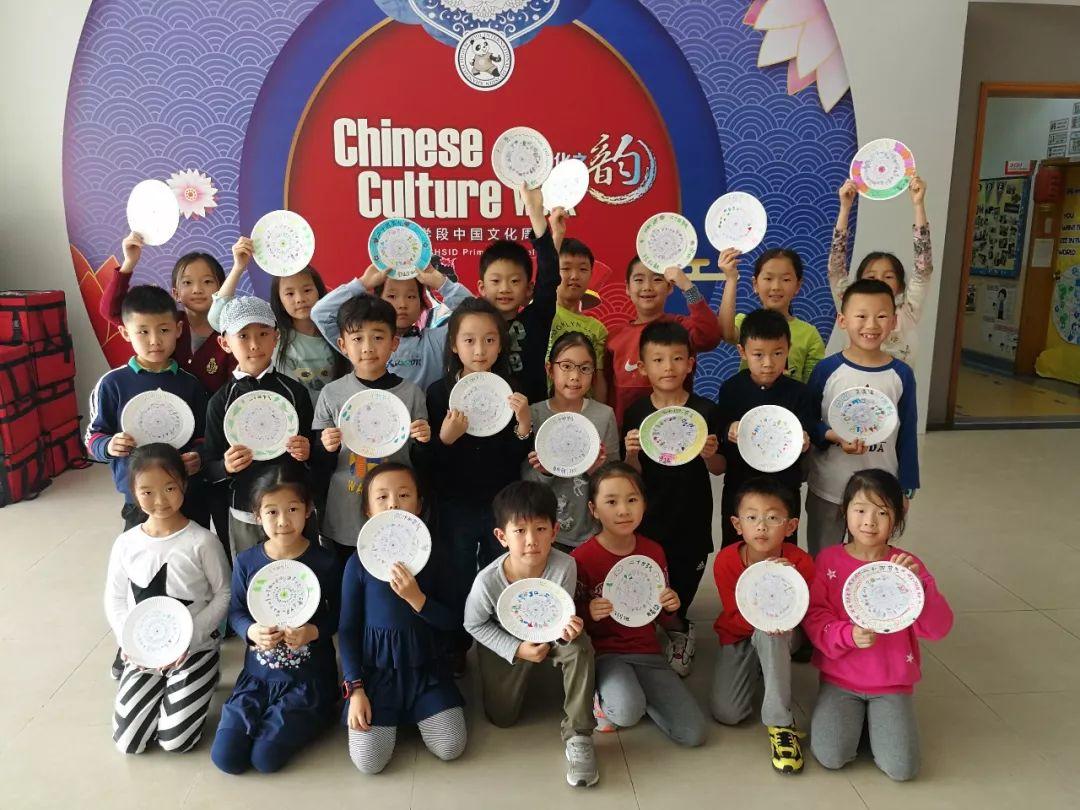
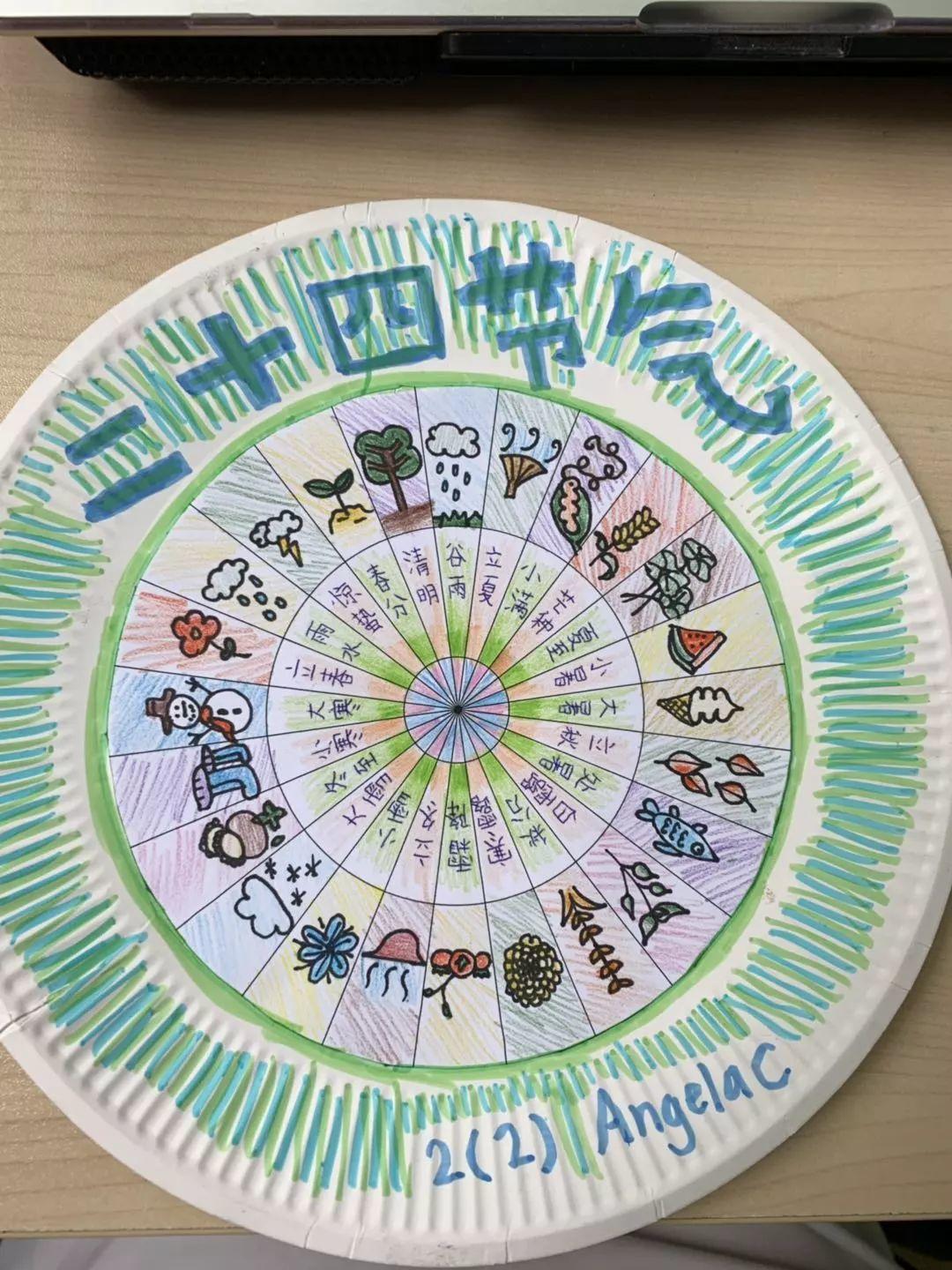
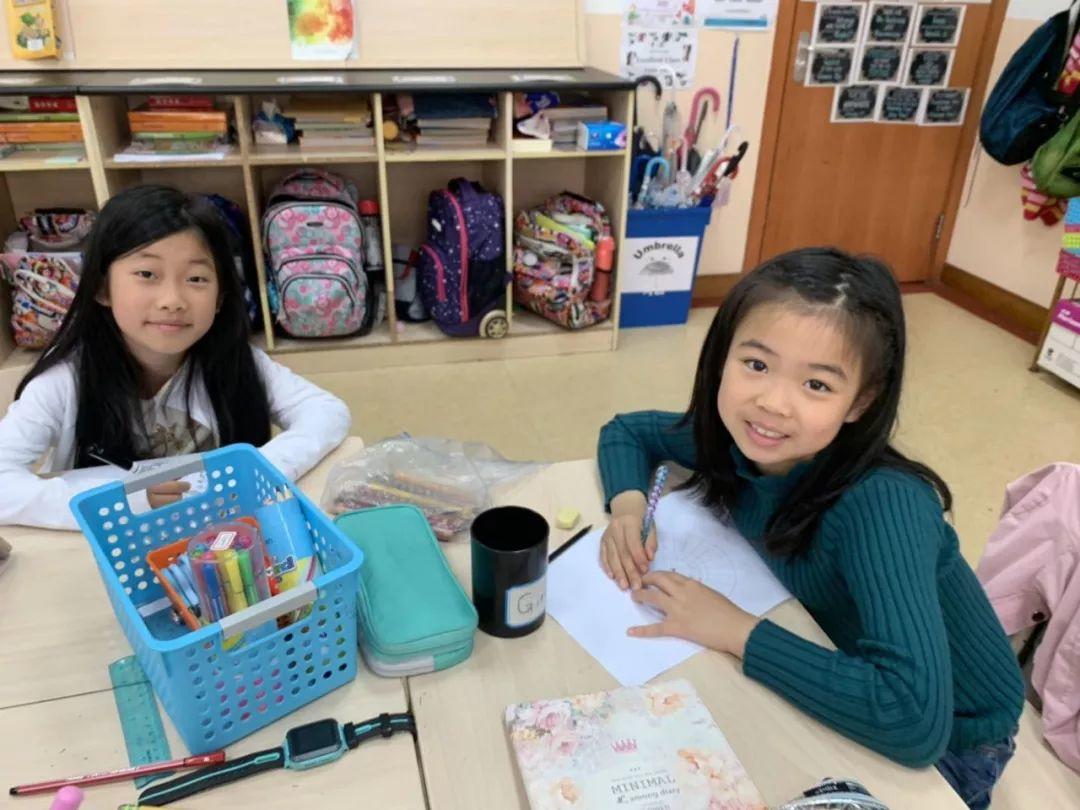
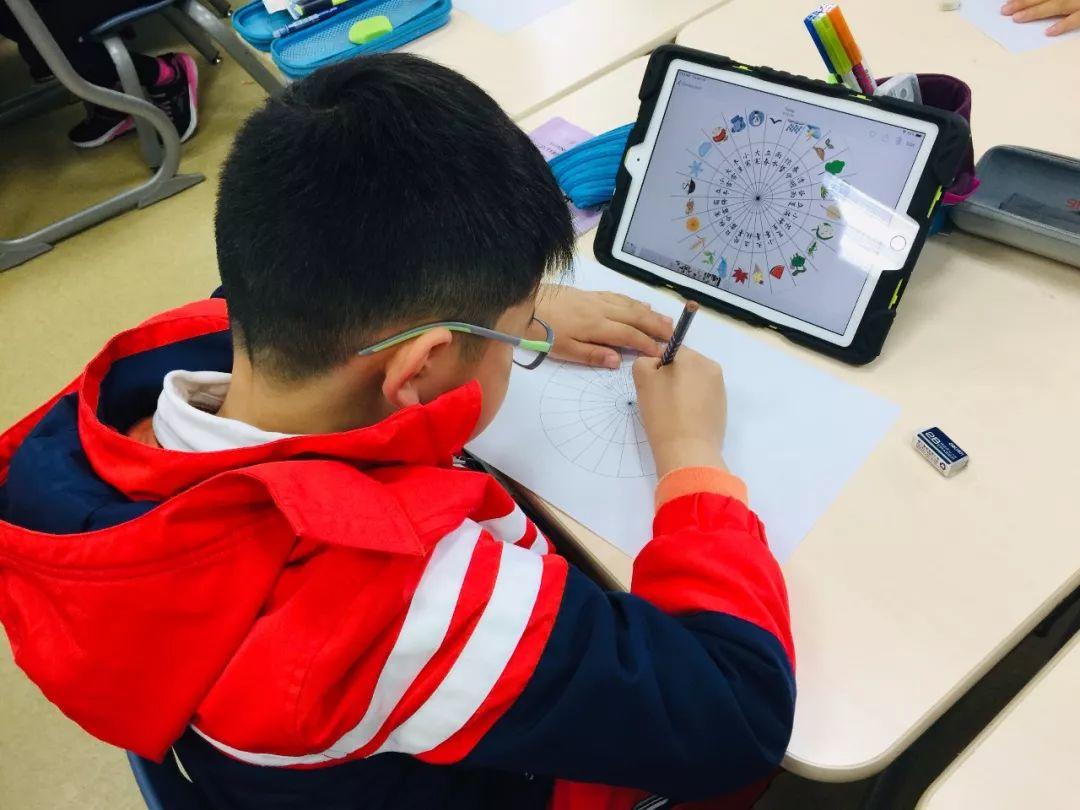
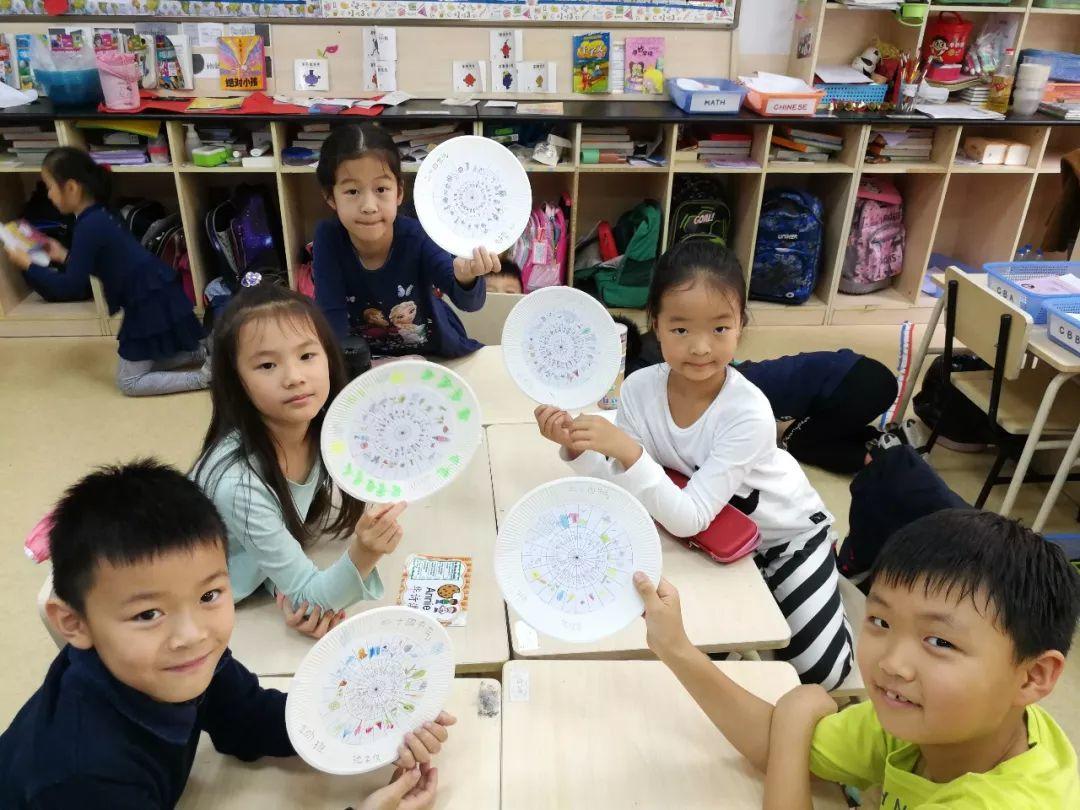
After reading books about the 24 solar terms, second graders learned about the order and key features of the terms. In Chinese class, students finished drawing the terms on paper plates. Students heard more about the beauty of the four seasons and the wisdom hidden in traditional culture.
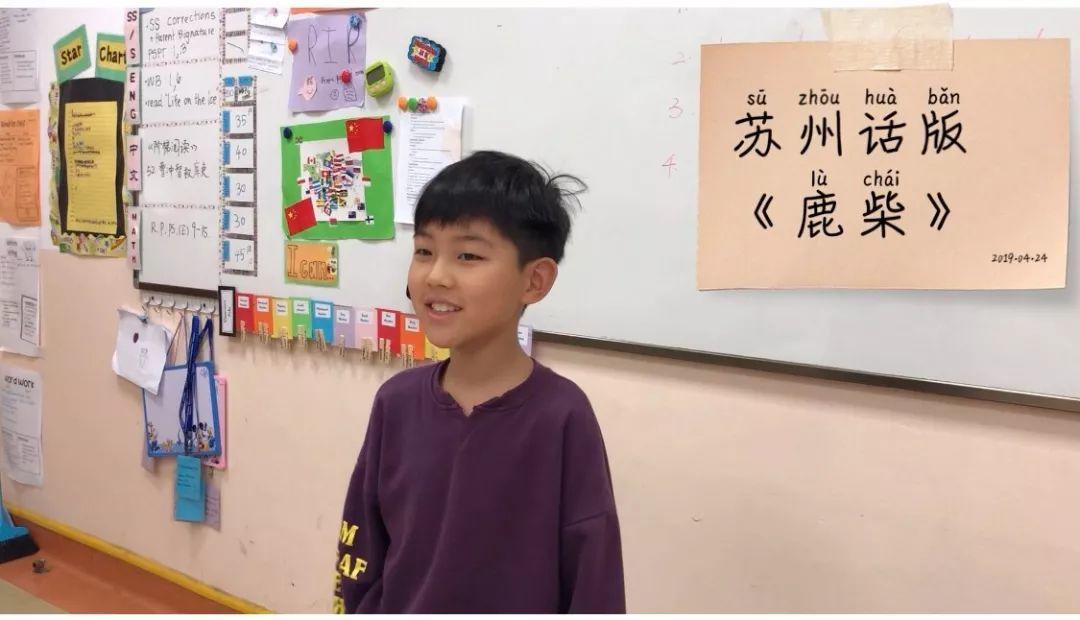
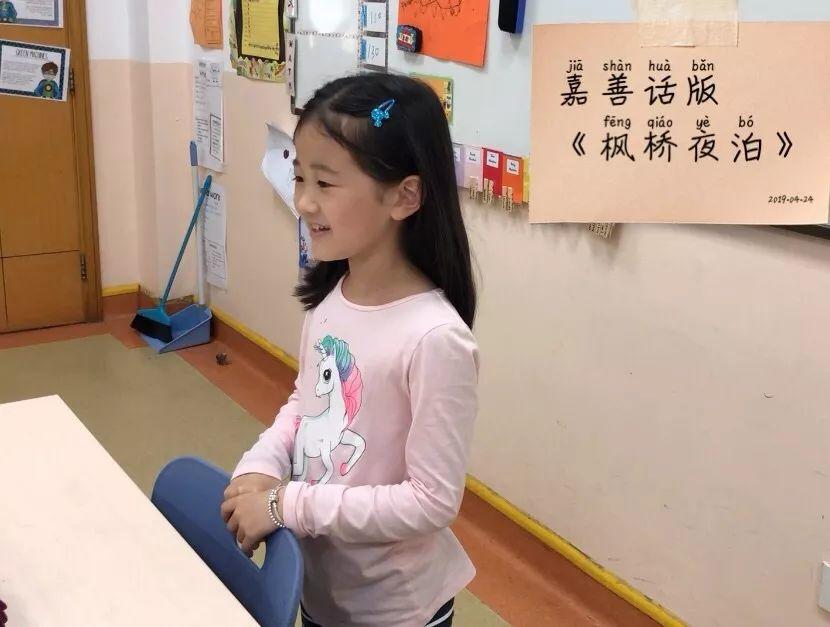
Third graders used Chinese dialects to recite poems. Cantonese has many tones. The Wu dialect is sweet and the northern dialects are very humorous. Some poems will be more rhyming if it’s read by dialects. All the students were well prepared and made a fantastic poem recitation show.
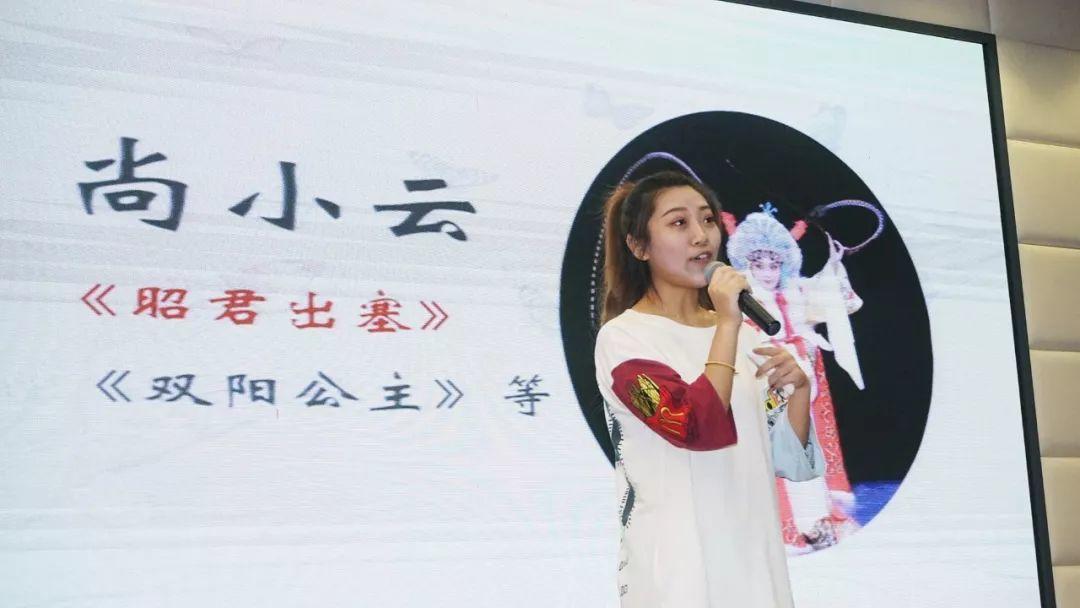
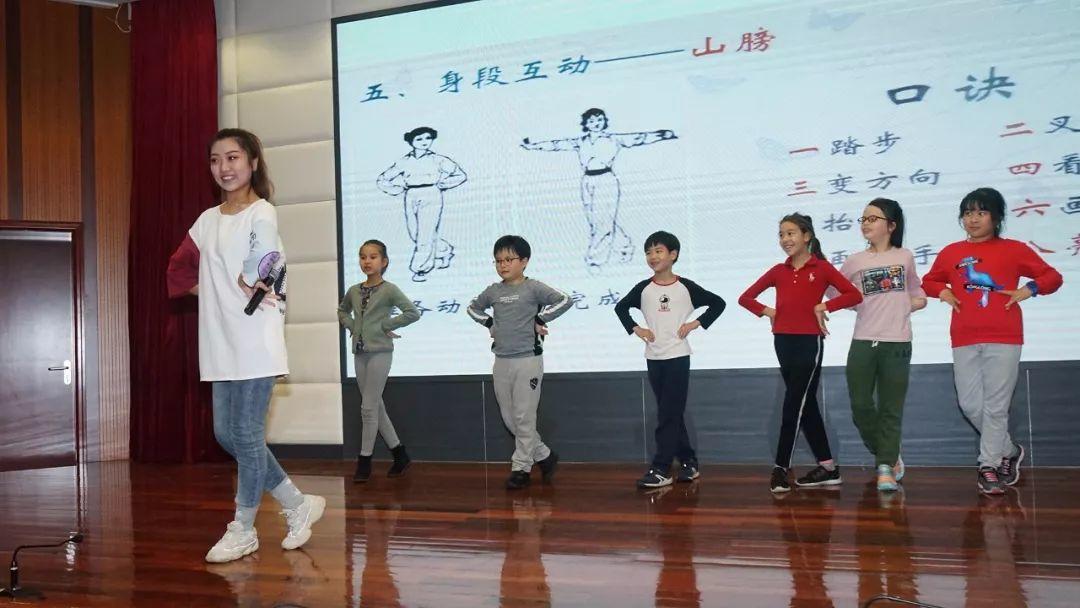
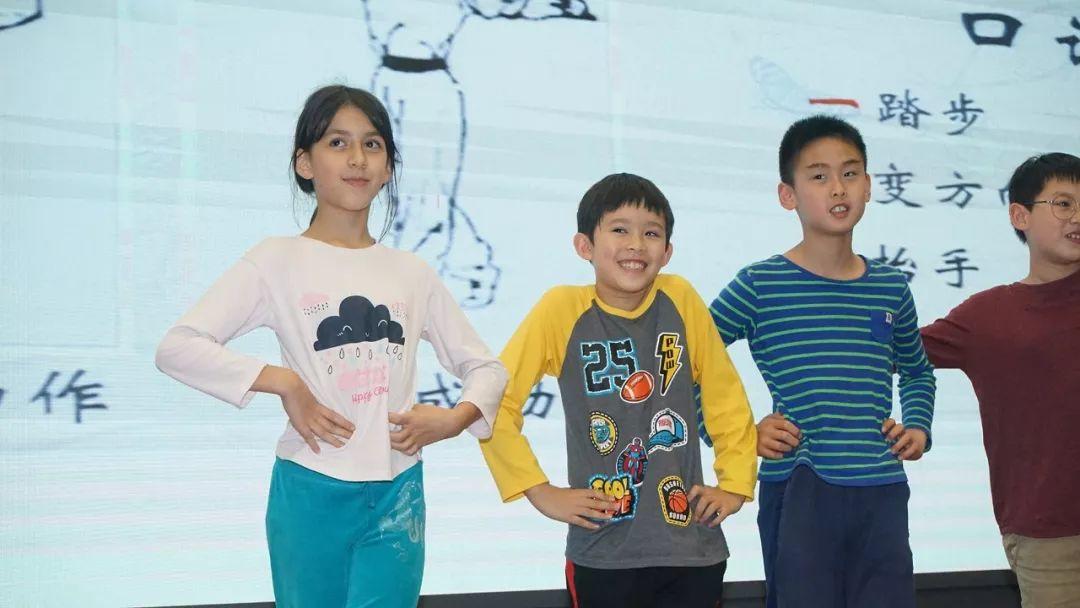
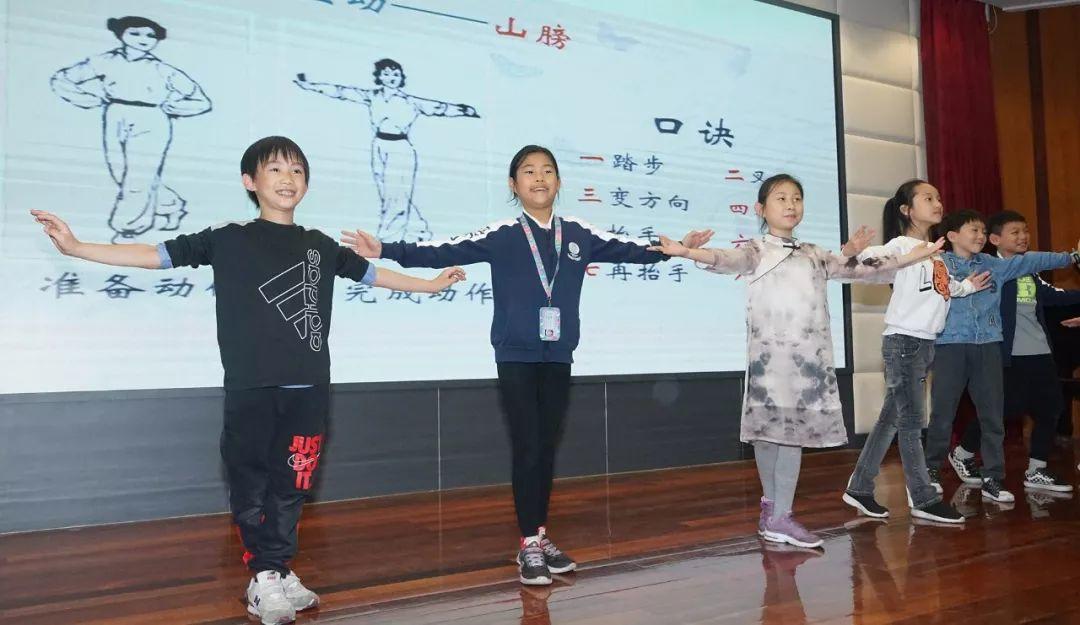
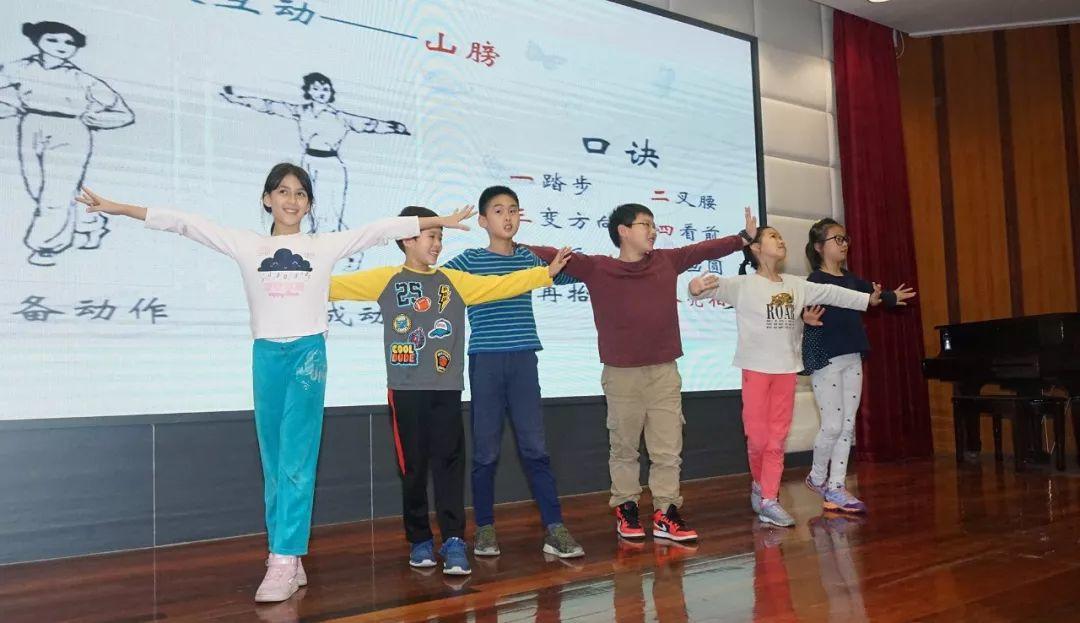
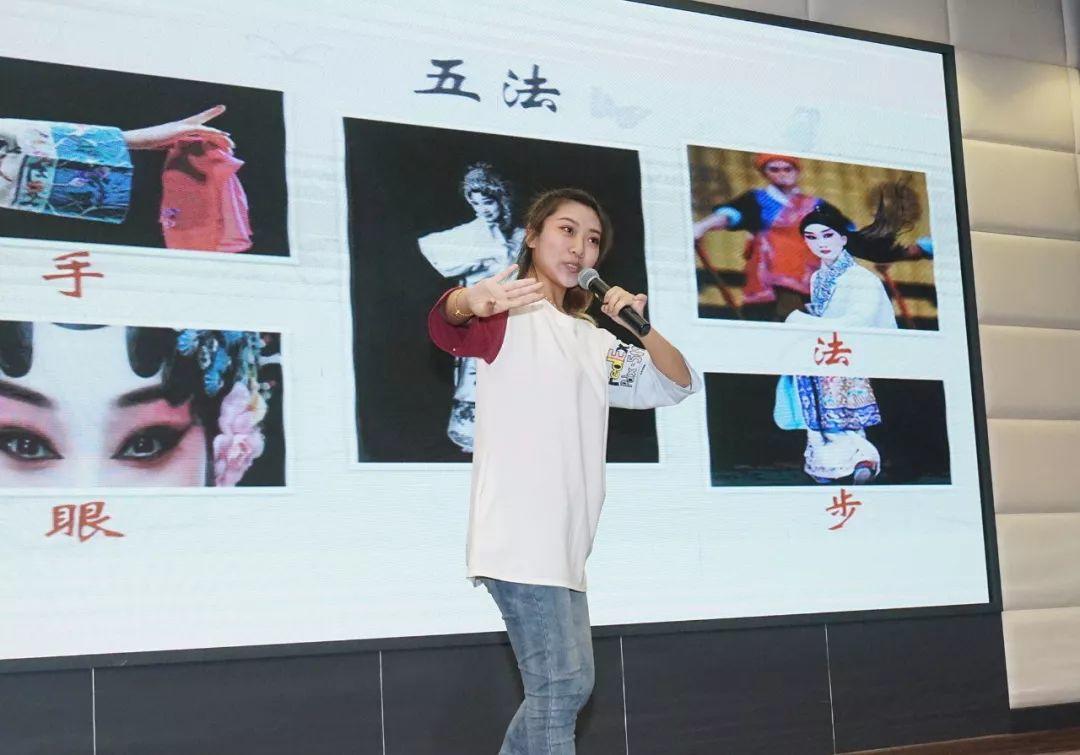
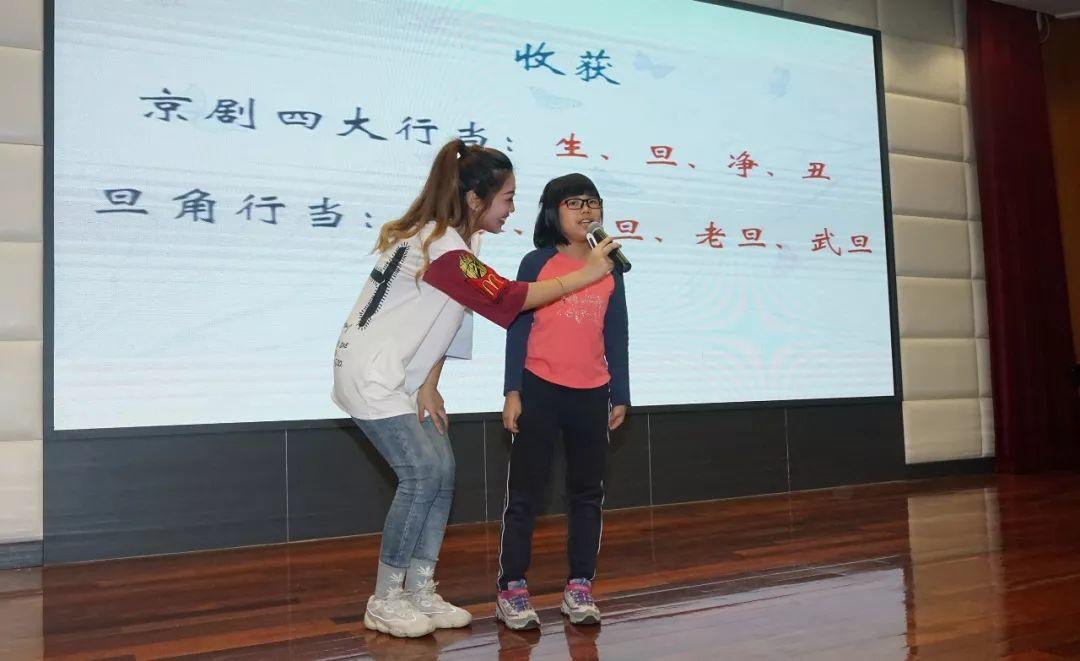
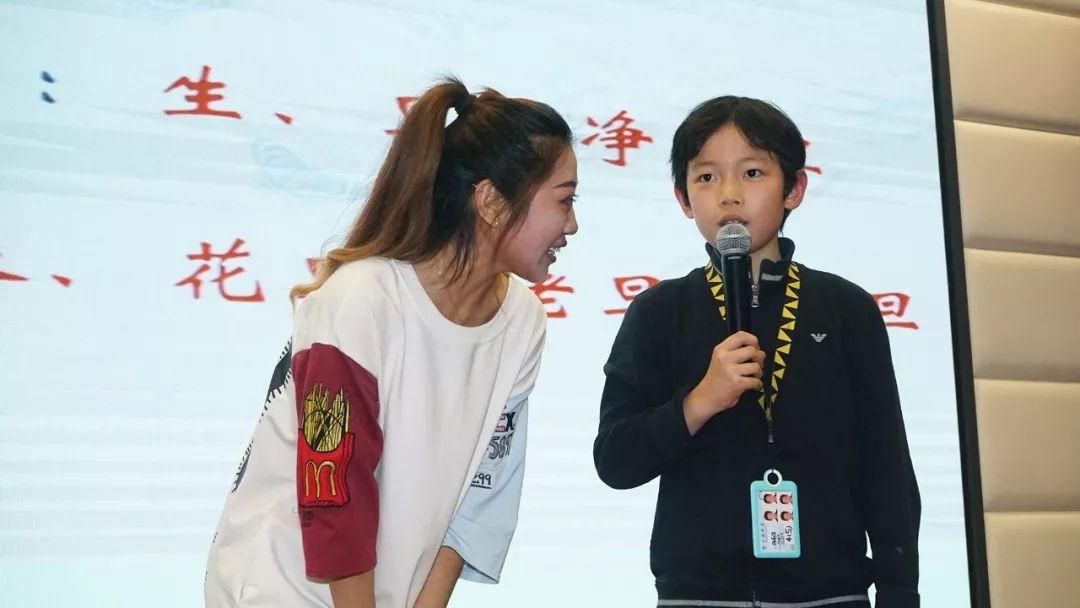
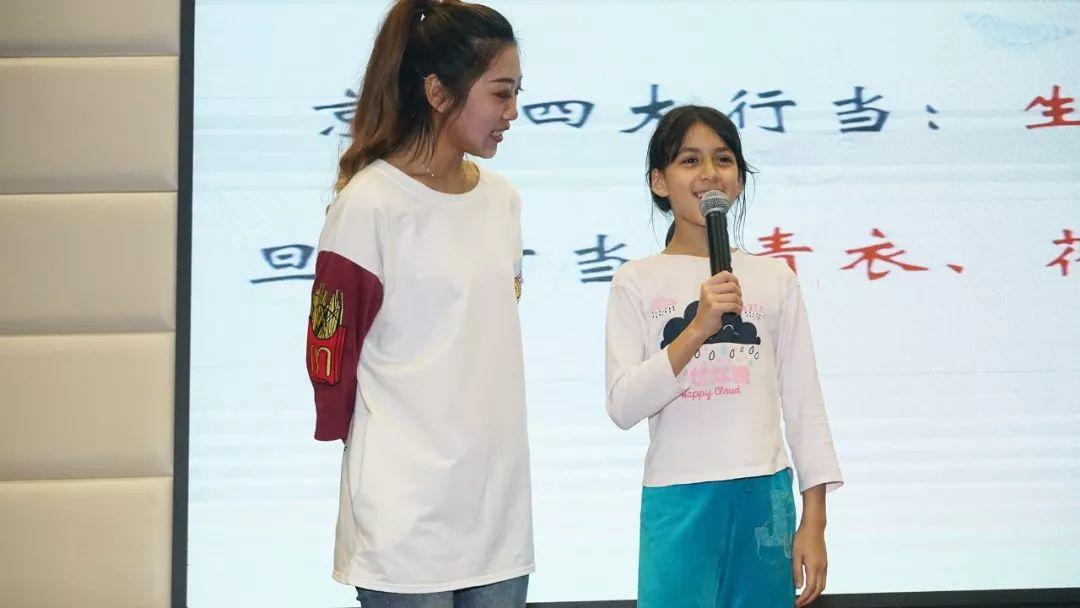
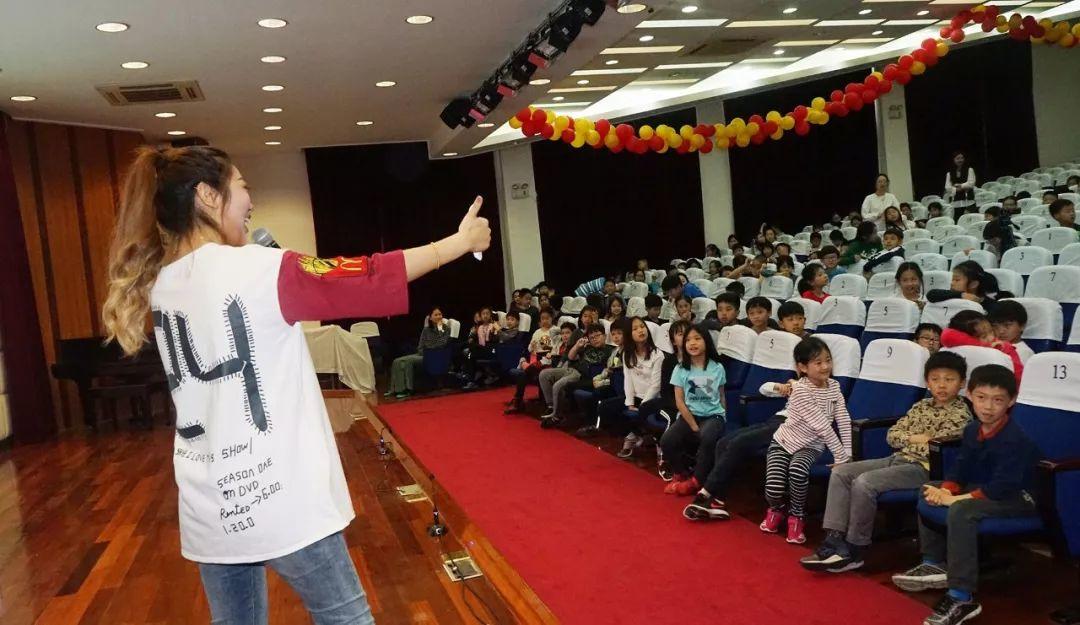
In the afternoon, grade 3 and grade 4 students gathered in the auditorium and listened to a lecture about Peking Opera. A professional teacher introduced to them the origin and roles of Peking Opera. Students also experienced the movements and the elegant voice.
There are too many sparkling points in Chinese traditional culture. In the following days, we will continue exploring together. We hope that students will continue learning and gained a deeper understanding of the cherished Chinese culture.
繪畫手工,誦詩(shī)聽(tīng)?wèi)?/span>
——小學(xué)段中國(guó)文化周系列報(bào)道
4月23日是小學(xué)段中國(guó)文化周的第二天,各個(gè)年級(jí)迎來(lái)了精彩紛呈的活動(dòng),小朋友們?cè)谶@些活動(dòng)中更多地體味到了中國(guó)文化的方方面面。
一年級(jí)小朋友們通過(guò)觀看了《故宮100》紀(jì)錄片,并繪制了帶有故宮元素的團(tuán)扇、布袋、T恤和抱枕套。強(qiáng)烈而又統(tǒng)一的色彩,玲瓏秀麗的檐角,富有韻律和節(jié)奏感變化的建筑,在孩子們的筆下別有生趣。
二年級(jí)小朋友一起“覓時(shí)”。熟讀了《二十四節(jié)氣》之后,他們對(duì)于節(jié)氣順序和特征有了一定的了解。中文課上,小朋友們每人繪制了一個(gè)二十四節(jié)氣圓盤。從東風(fēng)解凍,到梅子黃熟,暑去涼來(lái),到萬(wàn)物收藏,小朋友們通過(guò)繪制圓盤感受到了四時(shí)之美,也體會(huì)到中國(guó)傳統(tǒng)文化的智慧。
三年級(jí)的小朋友用方言誦詩(shī),音調(diào)豐富的粵語(yǔ),軟糯婉轉(zhuǎn)的吳語(yǔ),還有各種幽默豪放的北方方言,讀起古詩(shī)來(lái),都有種特別的韻味。有的古詩(shī)用方言讀來(lái),更是特別押韻。小朋友們準(zhǔn)備充分,奉獻(xiàn)了一場(chǎng)場(chǎng)精彩的詩(shī)朗誦。
下午,三四年級(jí)的小朋友齊聚禮堂,聽(tīng)專業(yè)老師為大家介紹了京劇的起源、行當(dāng),老師重點(diǎn)為大家介紹了旦角。老師演示山膀的動(dòng)作,并請(qǐng)三組同學(xué)上臺(tái)體驗(yàn)了動(dòng)作。接著老師教大家唱了《蘇三起解》中的“蘇三離了洪洞縣”,讓小朋友們體驗(yàn)了京劇唱腔。
中國(guó)傳統(tǒng)文化亮點(diǎn)多多,接下來(lái)的幾天,我們還將繼續(xù)探索體悟,希望小朋友們對(duì)這些傳統(tǒng)文化了解更深、興趣更濃!
以上就是關(guān)于【G1-4 Chinese Culture Week Series——Diverse Traditional Culture】的解答,如需了解學(xué)校/賽事/課程動(dòng)態(tài),可至翰林教育官網(wǎng)獲取更多信息。
往期文章閱讀推薦:
2026年上海萬(wàn)源城協(xié)和雙語(yǔ)學(xué)校秋招時(shí)間、考情與開(kāi)放日活動(dòng)全覽
2026年WLSA上海秋招時(shí)間、流程與備考一文全!點(diǎn)擊立看!

翰林AMC8視頻課重磅上線!

國(guó)際競(jìng)賽真題資源免費(fèi)領(lǐng)取