“Experiential Learning” Teaching Research Activity

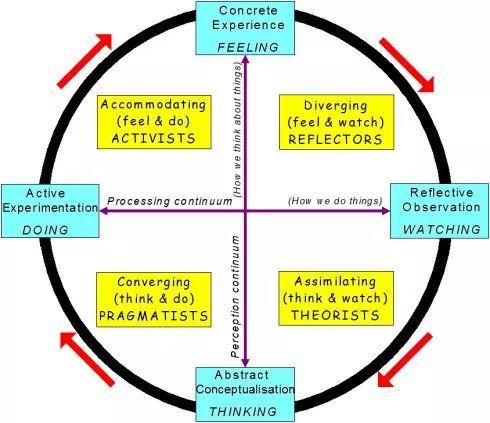
Experiential Learning, which was first put forward by David Kolb, a professor of organizational behavior and the founder and chairman of Experience Based Learning Systems, Ins. Kolb illustrated Experiential Learning as a learning method, which includes specifically experiencing, observing and reflecting, concluding and abstracting, and at last applying the experience into learners’ real life or new-round learning
.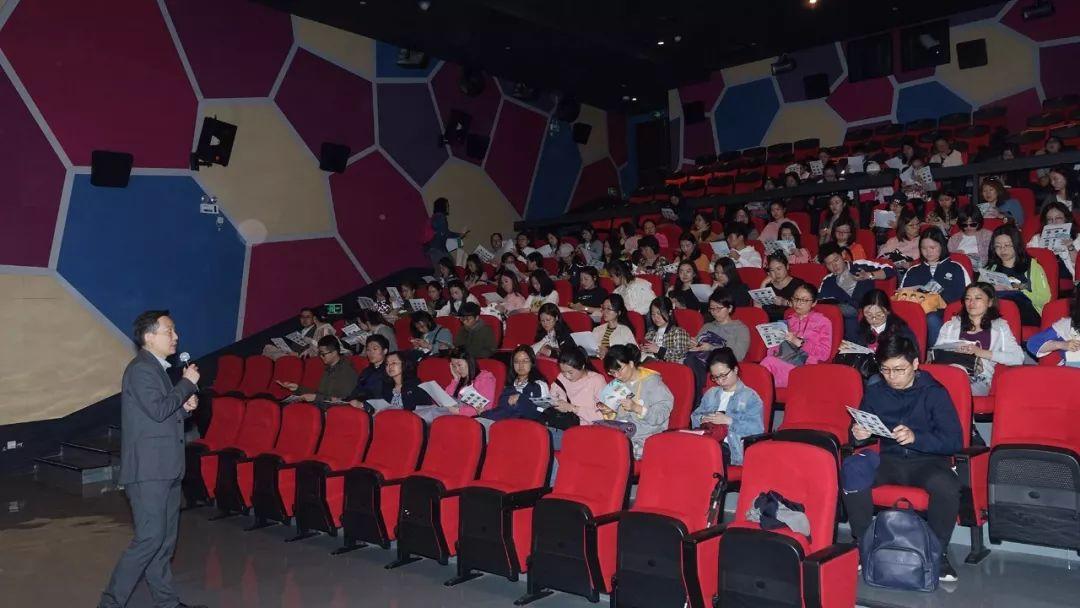
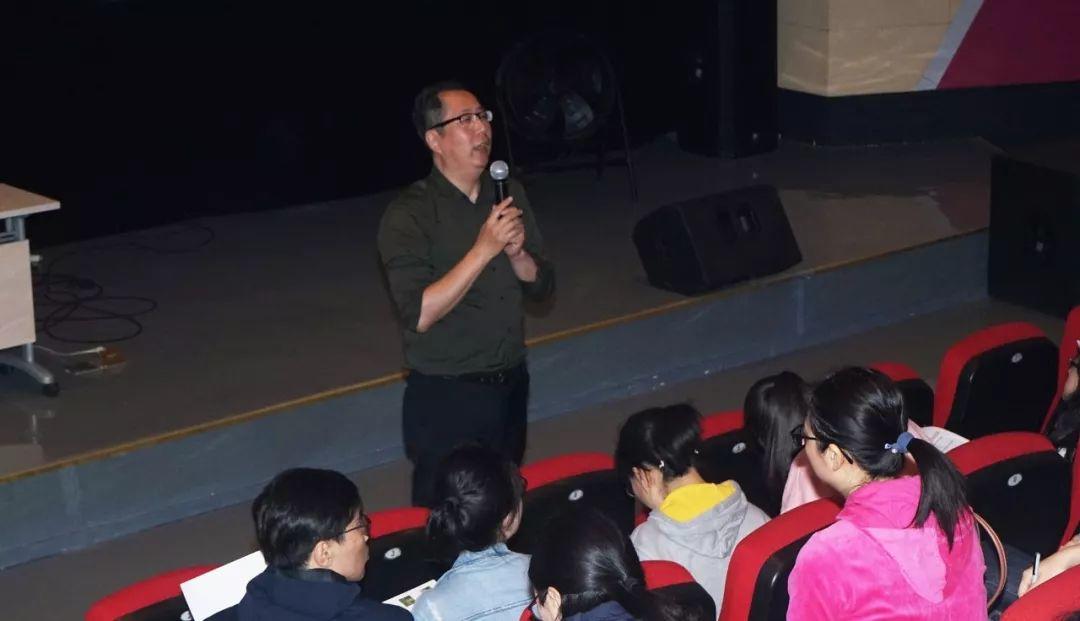
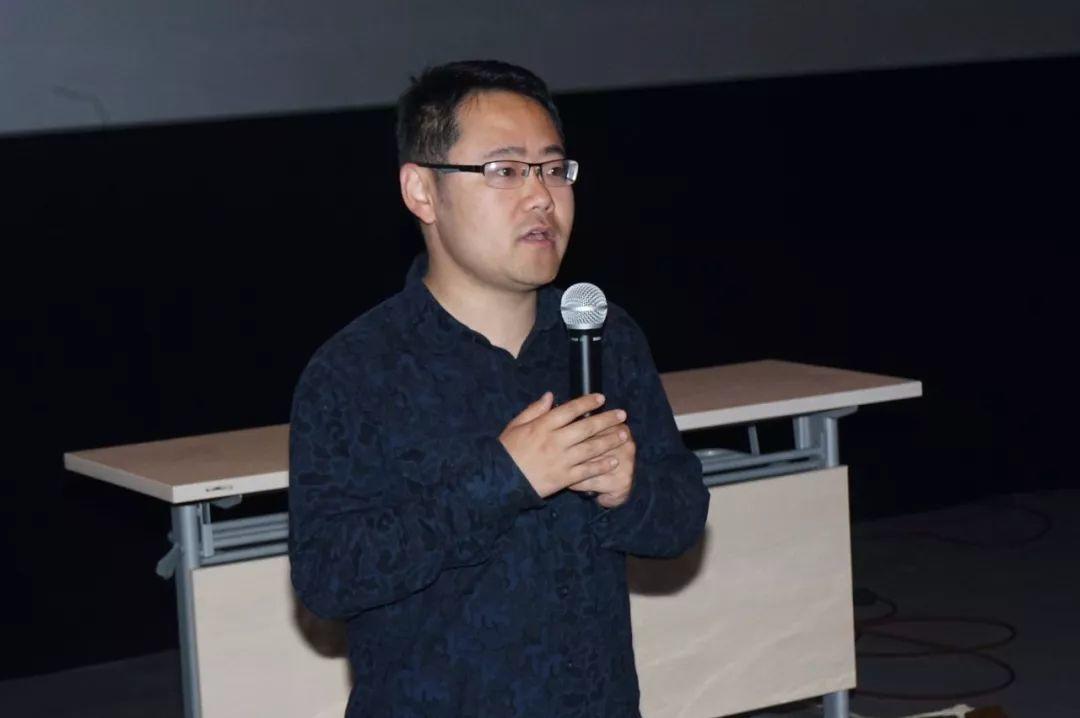
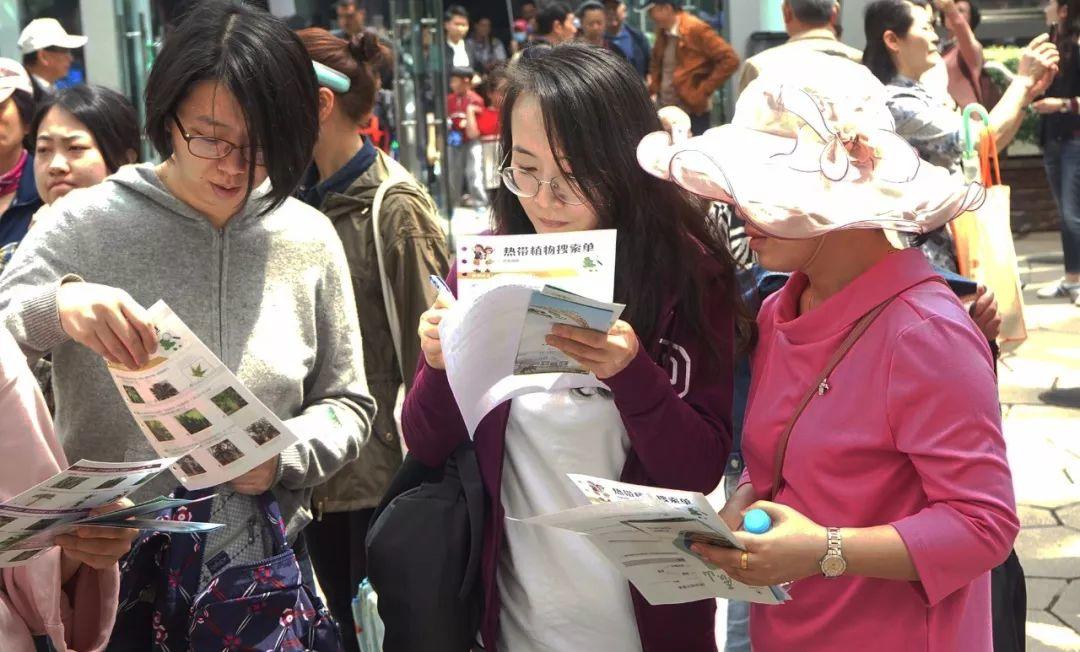
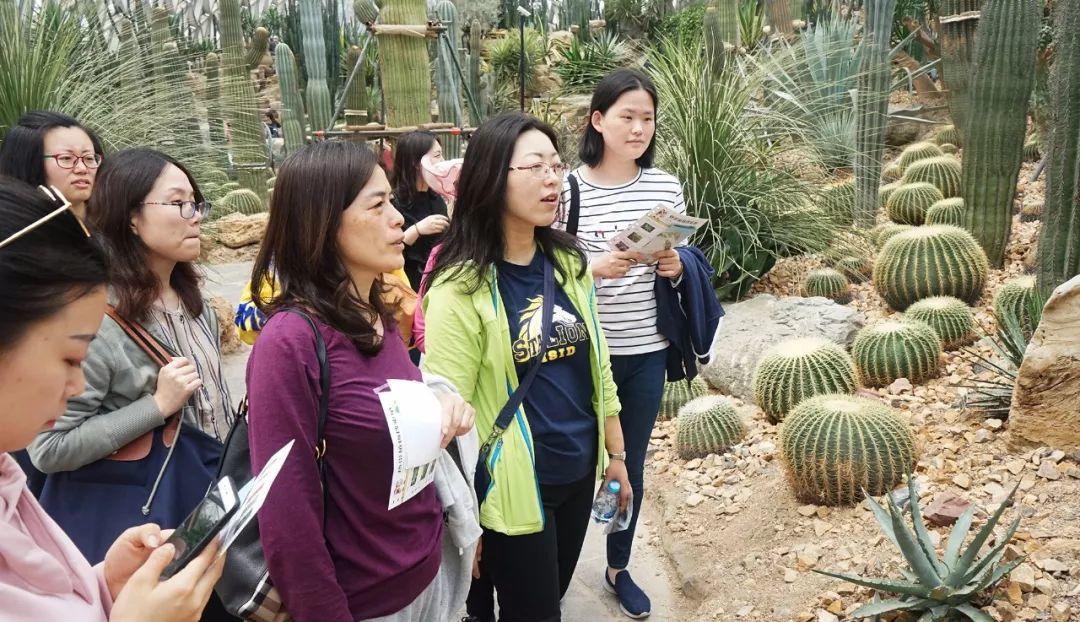
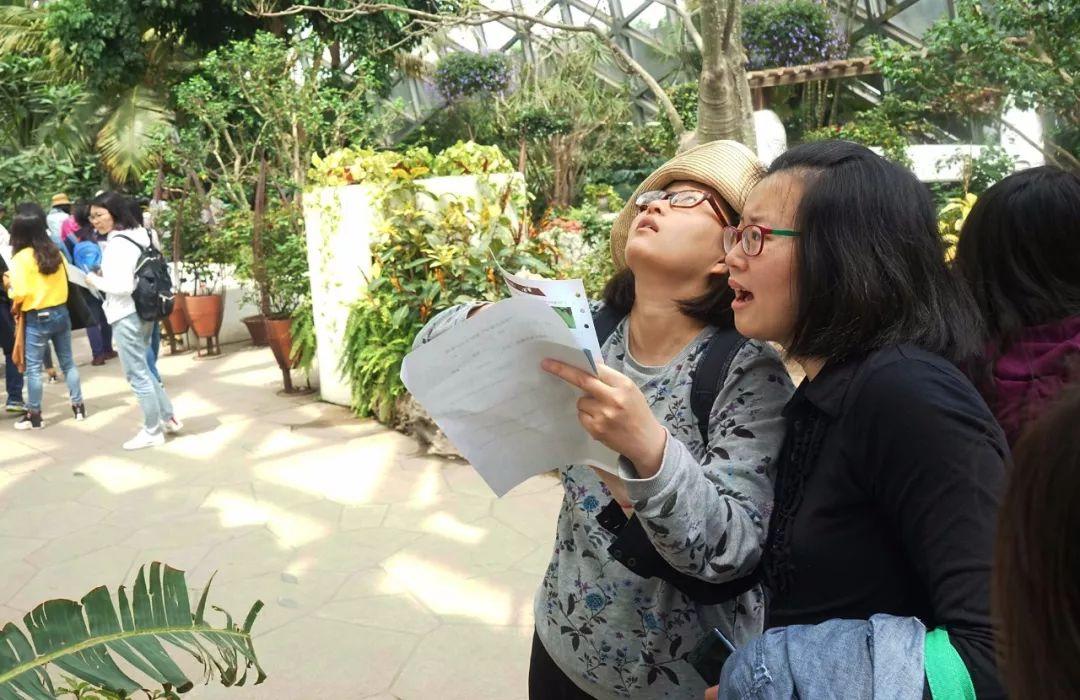
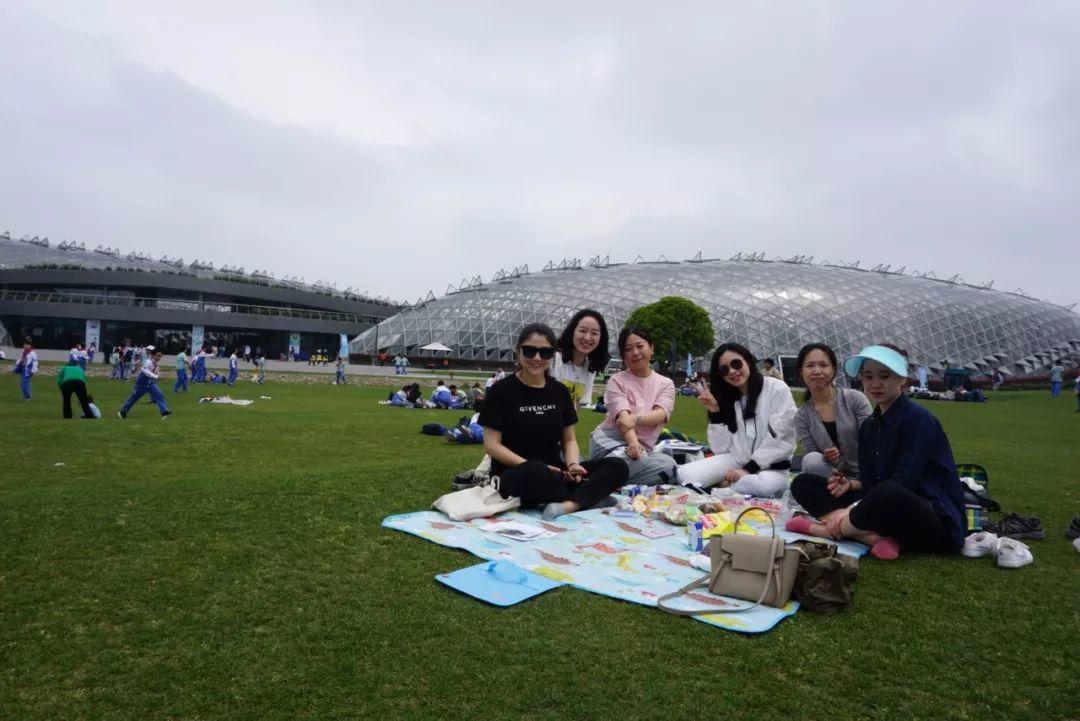
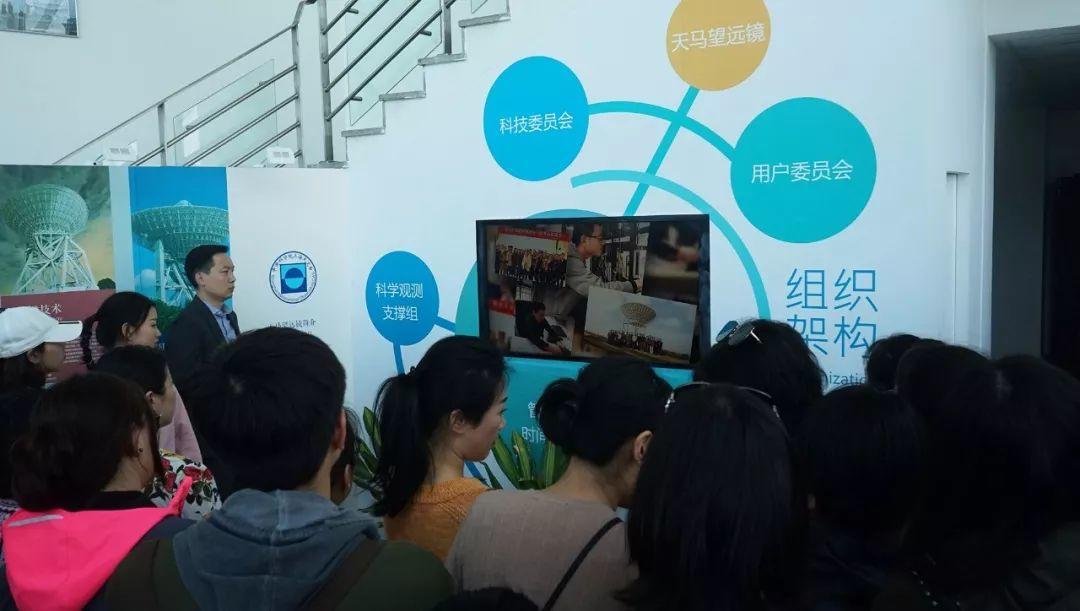
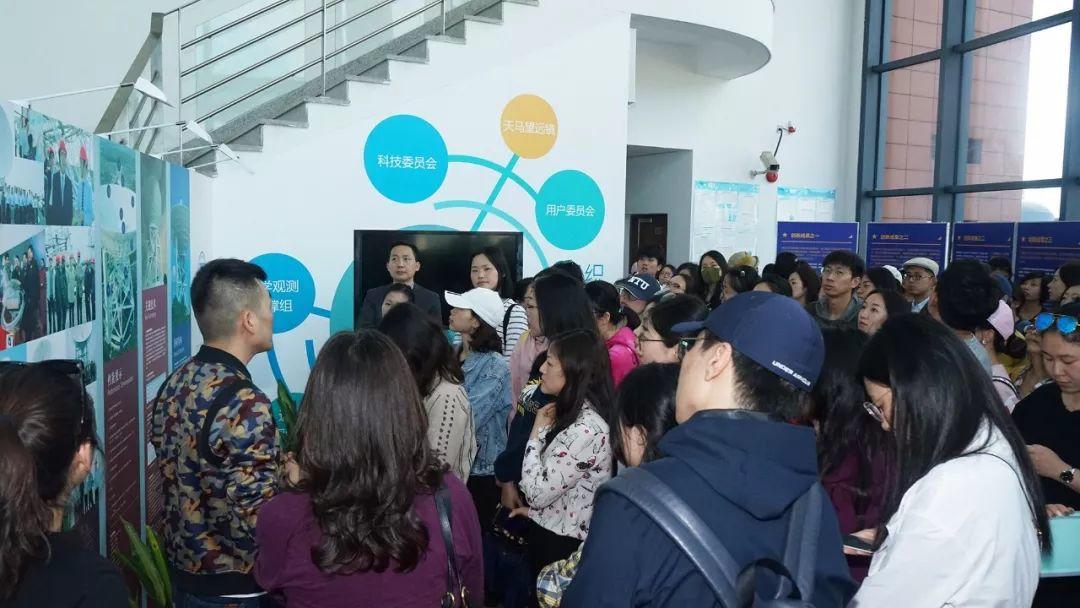
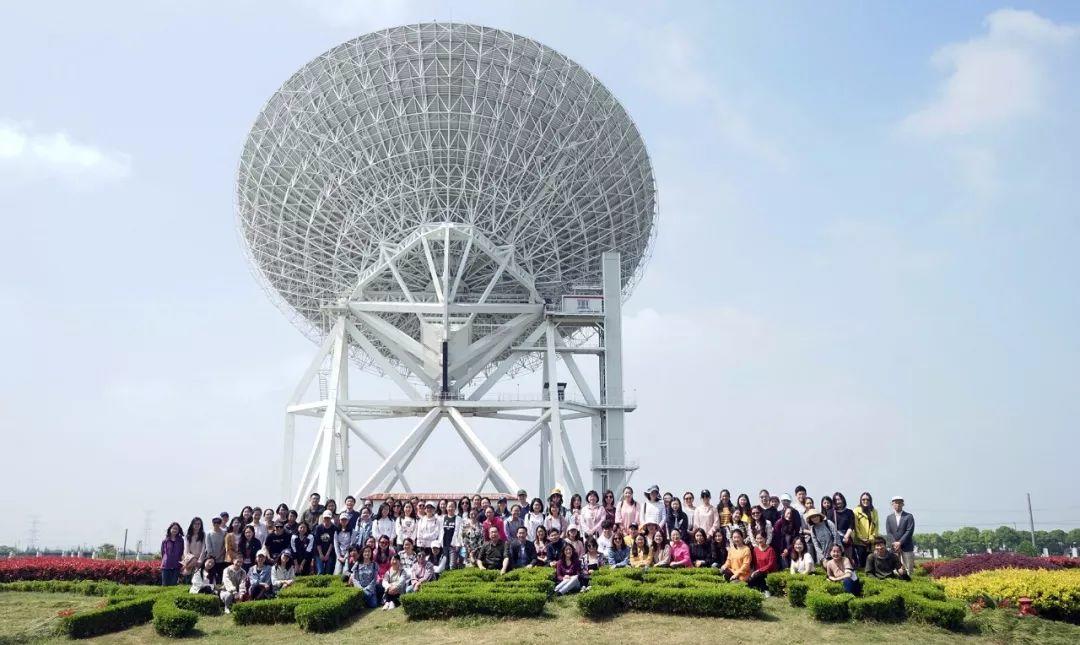
On April 19th, SHSID middle school and primary section teachers went to Shanghai Chen Shan Botanical Garden and held the “Experiential Learning” teaching research activity to experience this learning method, and potentially apply this education method into our future teaching. Teachers were asked to complete several learning tasks on the task cards. Biology teachers played the role of educators and introduced other teachers about the features of tropical rainforest and tropical desert plants. Although all of the t eachers come from and teach different subjects, they quickly became familiar with the tropical plants. Compared to traditional classrooms, when the teachers were in the botanical garden, everything became vivid and easy to remember.
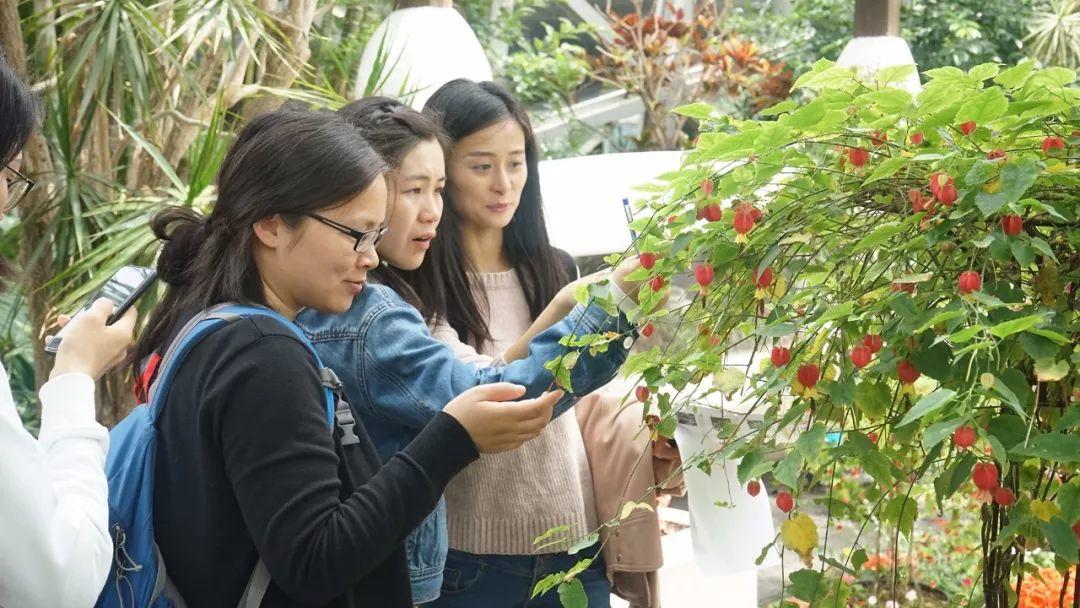
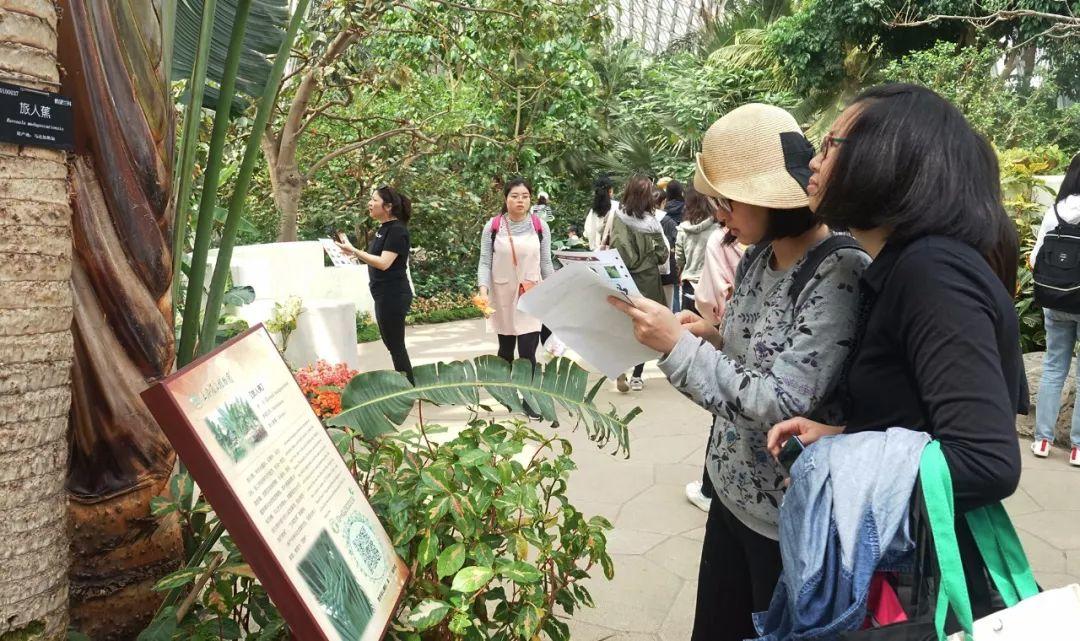
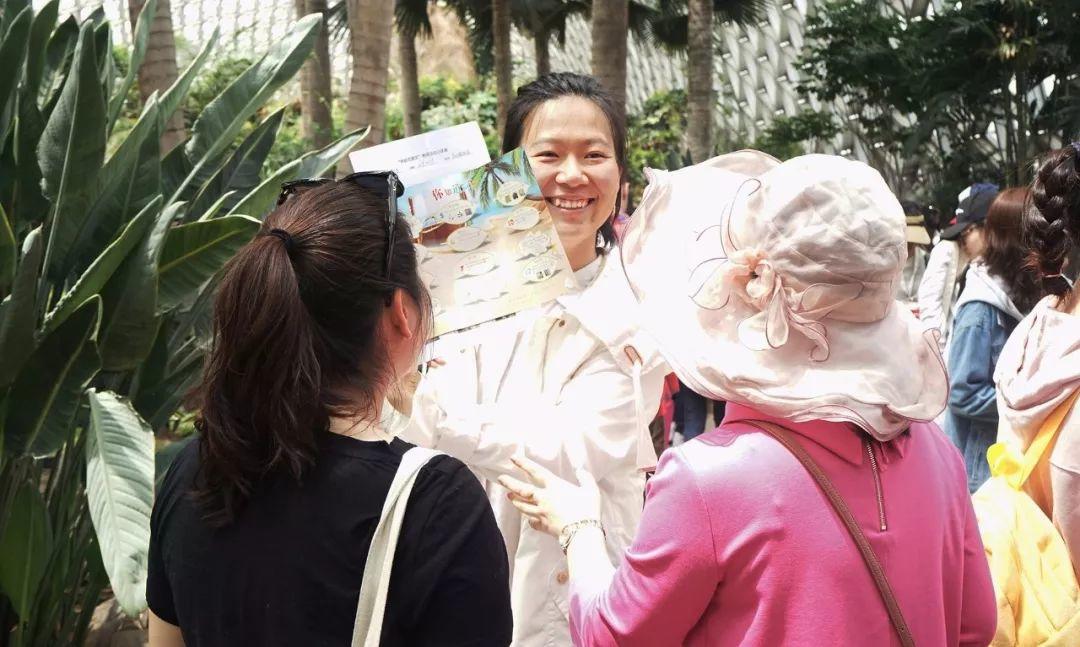
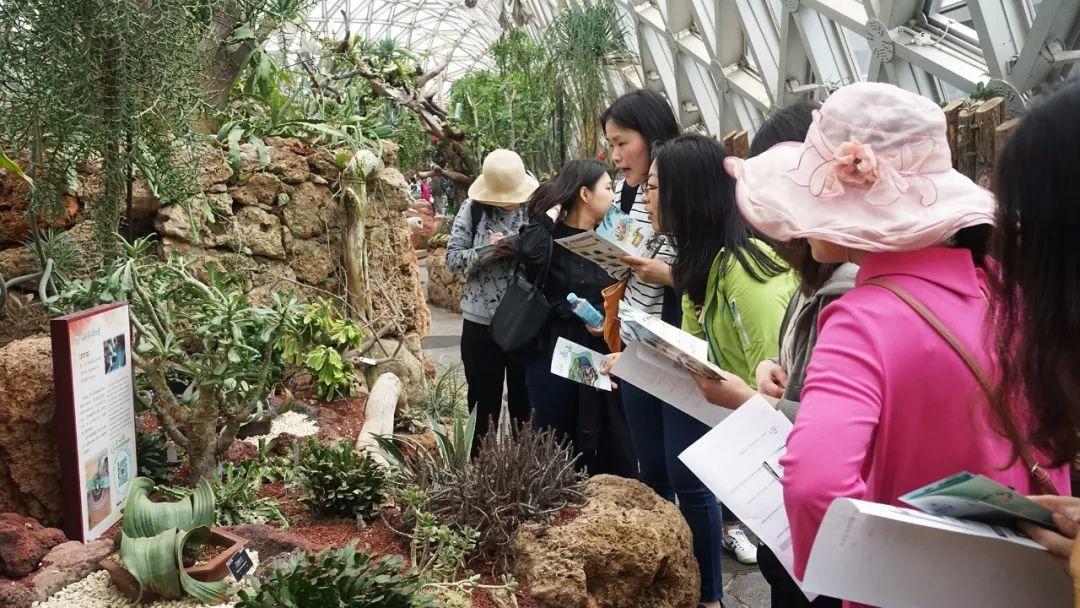
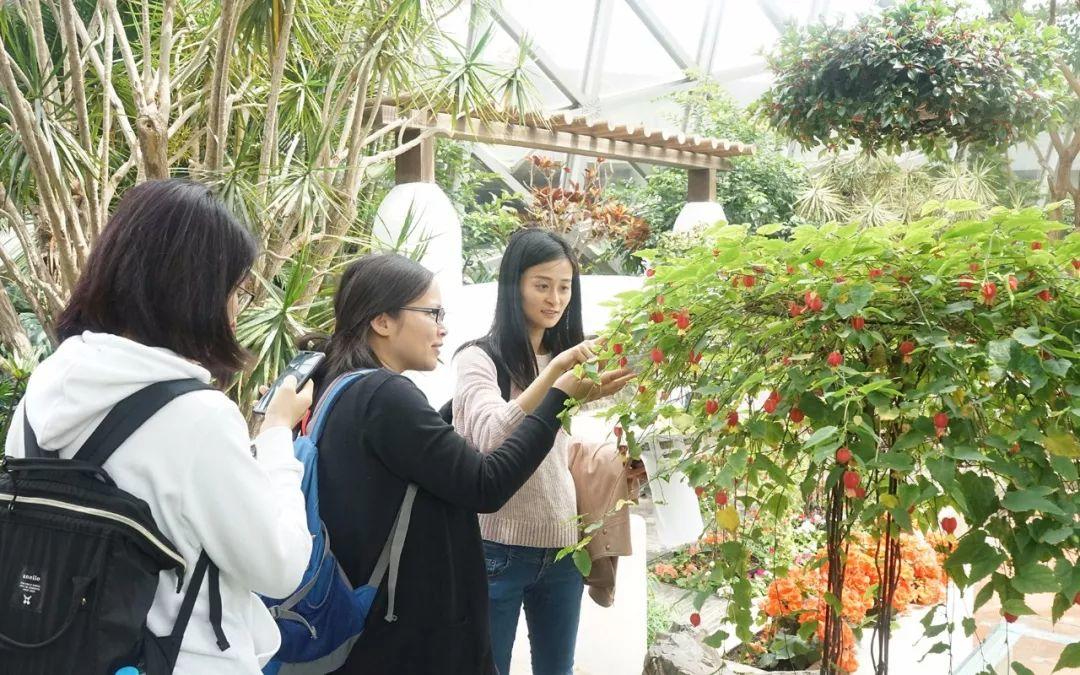
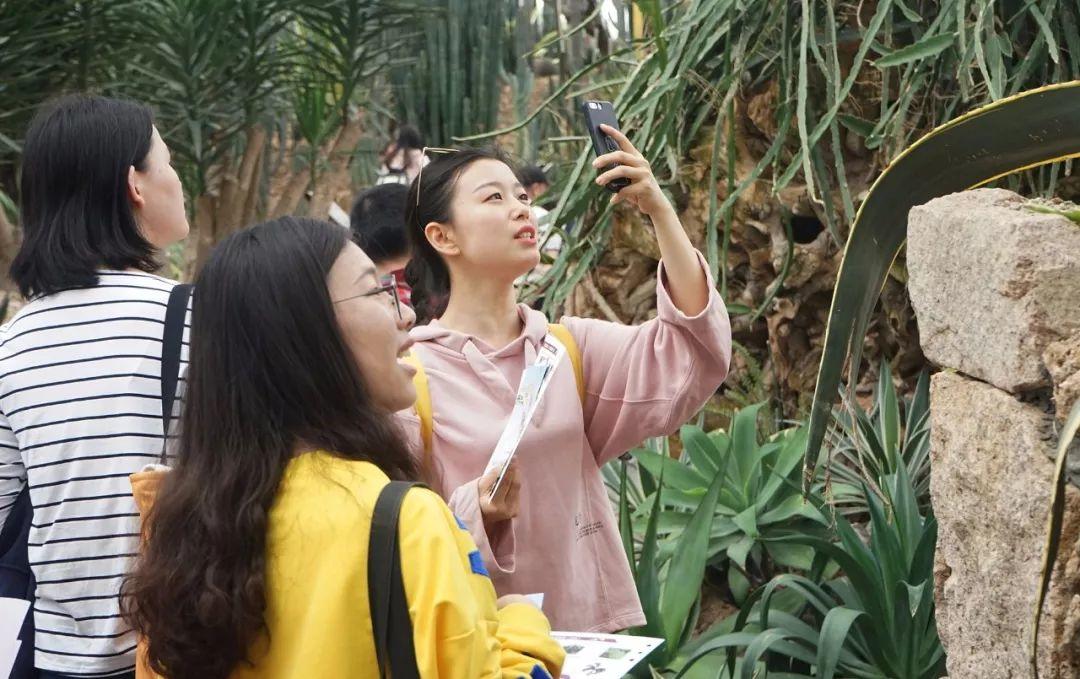
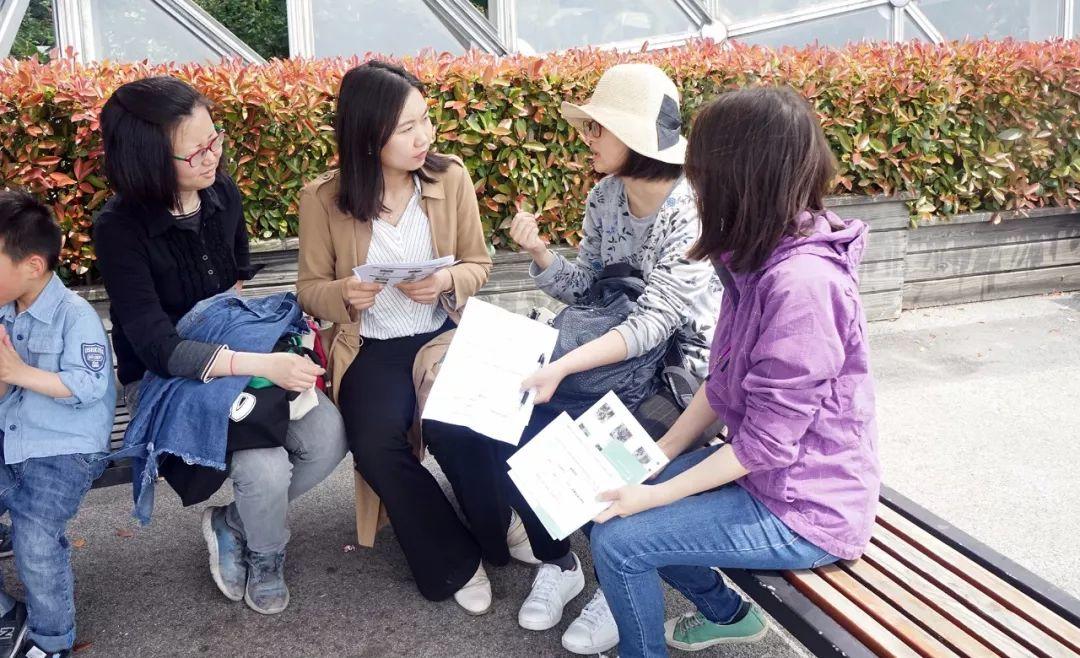
After the experiential activity, teachers were divided into several groups for deeper learning and discussion. The whole process also brought reflection and new thoughts about their own teaching methods. This was really a process that learners were happy to be involved in and can eventually help the learners to apply to their own experience. SHSID has been implementing and will keep practicing this teaching philosophy. All of the teachers will take their new thoughts and new ideas into their future teaching!
身臨其境,親身體驗(yàn)——初小段成功舉辦“體驗(yàn)式學(xué)習(xí)”教研活動(dòng)
體驗(yàn)式教學(xué),是美國(guó)社會(huì)心理學(xué)家、教育理論家大衛(wèi)庫(kù)伯總結(jié)杜威、庫(kù)爾特、皮亞杰等教育、心理、認(rèn)知大師有關(guān)經(jīng)驗(yàn)學(xué)習(xí)模式的基礎(chǔ)之上提出體驗(yàn)式學(xué)習(xí)模式。庫(kù)伯把體驗(yàn)式學(xué)習(xí)闡釋為一個(gè)體驗(yàn)循環(huán)的過(guò)程:由具體體驗(yàn),到觀察反思,歸納抽象概念,再到主動(dòng)應(yīng)用。這是一種以學(xué)習(xí)者為中心的學(xué)習(xí)方式,需要通過(guò)實(shí)踐與反思相結(jié)合,由經(jīng)驗(yàn)的升華從而創(chuàng)造知識(shí)的過(guò)程。
4月19日,為了具體體驗(yàn)“體驗(yàn)式學(xué)習(xí)”,并把這種教育方法運(yùn)用到今后的教學(xué)中去,上海中學(xué)國(guó)際部初小段老師們展開了一項(xiàng)辰山植物園“體驗(yàn)式學(xué)習(xí)”教研活動(dòng)。老師們需要根據(jù)任務(wù)卡的提示完成學(xué)習(xí)活動(dòng),生物組老師則承擔(dān)了體驗(yàn)式學(xué)習(xí)中教育者的角色,幫助老師們學(xué)習(xí)熱帶雨林及熱帶沙漠植物的生物學(xué)特點(diǎn)。盡管老師們來(lái)自不同的教研組,教授不同的學(xué)科,但在生物老師耐心、詳盡的講解下,在辰山植物園身臨其境的環(huán)境之中,老師們很快了解并熟悉了熱帶植物的各種不同特點(diǎn)。和在傳統(tǒng)教室學(xué)習(xí)不同,植物也不再是書本上、課件上的圖片,而是鮮活的,老師的講解也更加生動(dòng)有趣、富有感染力。
在教學(xué)體驗(yàn)活動(dòng)之后,老師們分組交流,填寫學(xué)習(xí)反饋,并反思了這次活動(dòng)給自己平時(shí)教育、教學(xué)工作所帶來(lái)的啟示。體驗(yàn)式學(xué)習(xí)真正讓學(xué)習(xí)者樂(lè)意參與、能夠反思,并能分析歸納、應(yīng)用自己的體驗(yàn)。上海中學(xué)國(guó)際部一直踐行并將繼續(xù)踐行這一高效、多維度的教學(xué)方法,老師們也將把自己此次教研活動(dòng)的感受和啟發(fā)應(yīng)用到新一輪的教學(xué)中去!
Written by Stella
Pictures by Ginger, Zhang Lihui
Follow us 請(qǐng)關(guān)注我們
以上就是關(guān)于【“Experiential Learning” Teaching Research Activity】的解答,如需了解學(xué)校/賽事/課程動(dòng)態(tài),可至翰林教育官網(wǎng)獲取更多信息。
往期文章閱讀推薦:
2026年上海萬(wàn)源城協(xié)和雙語(yǔ)學(xué)校秋招時(shí)間、考情與開放日活動(dòng)全覽
2026年WLSA上海秋招時(shí)間、流程與備考一文全!點(diǎn)擊立看!

翰林AMC8視頻課重磅上線!

國(guó)際競(jìng)賽真題資源免費(fèi)領(lǐng)取